To subscribe to our (roughly) monthly newsletter for free, where we share our events and what’s on our radar:
that prioritizes watching and discussing films, and supporting new film productions. It is an independent cultural initiative that views the sharing of its visual forms that have limited screening opportunities as a foundation for collective thought and production.
Past Events
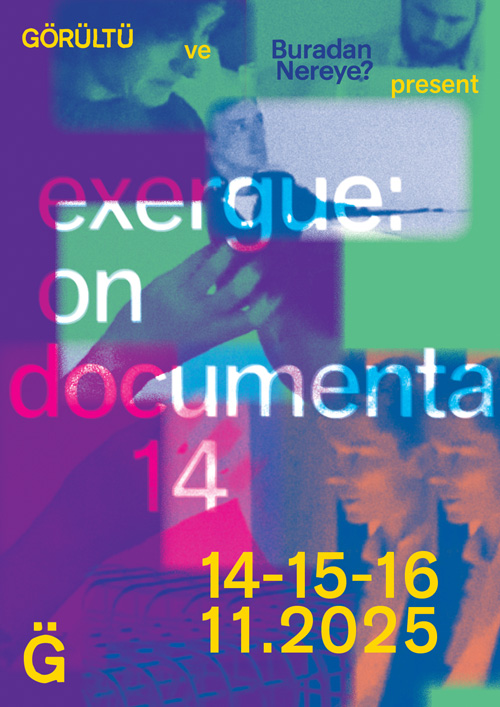
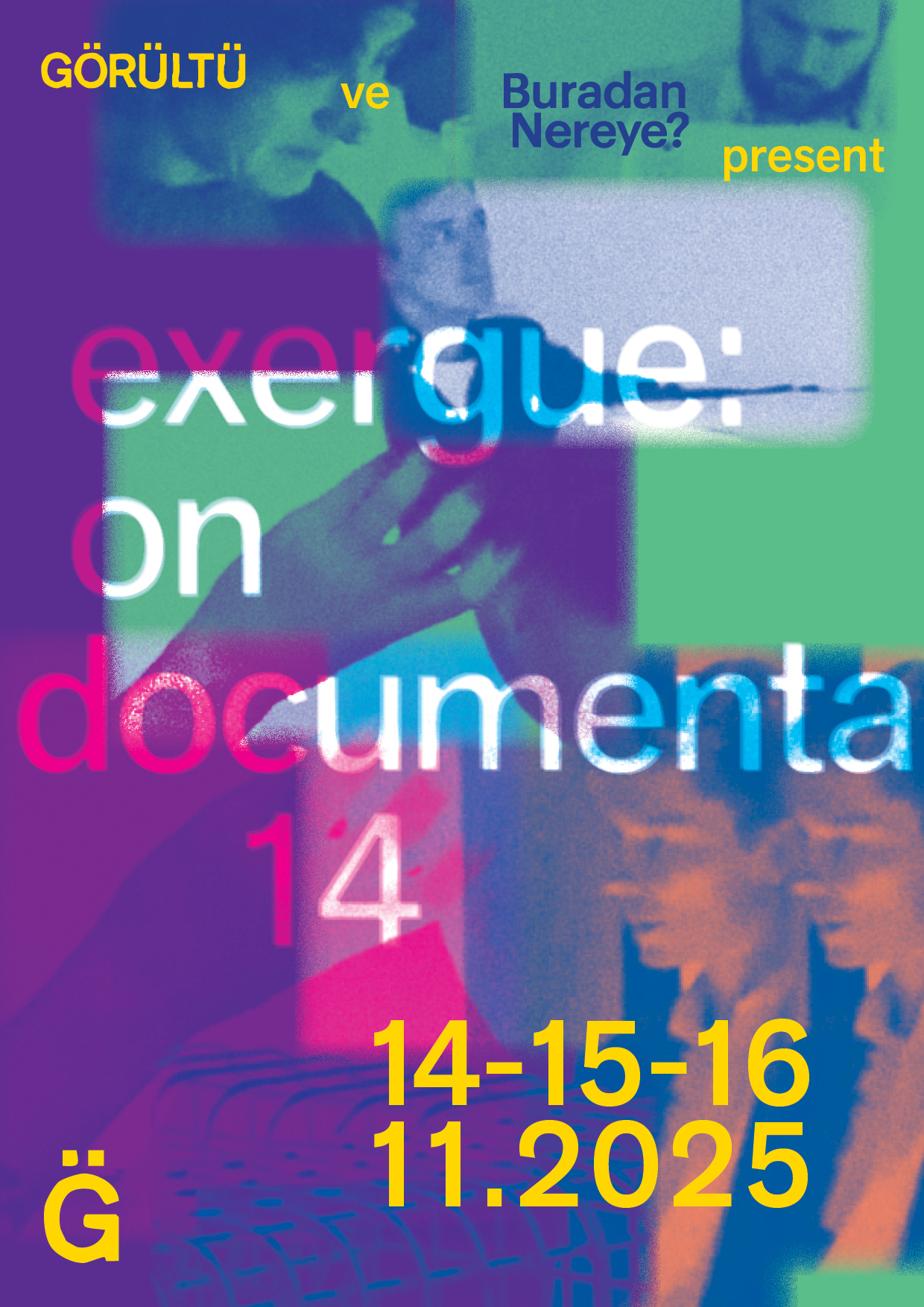
exergue — on documenta 14
Screening:
- Friday, November 14, 2025, 16:00
- Saturday, November 15, 2025, 13:00
- Sunday, November 16, 2025, 13:00
Pera Museum Auditorium
Forum:
- Sunday, November 23, 2025, 13:00
Parmakültür
In a world where institutions have lost their independence and the far right is on the rise, how independent can art remain? Can major art events tied to institutions offer artists and creatives a genuine space of freedom?
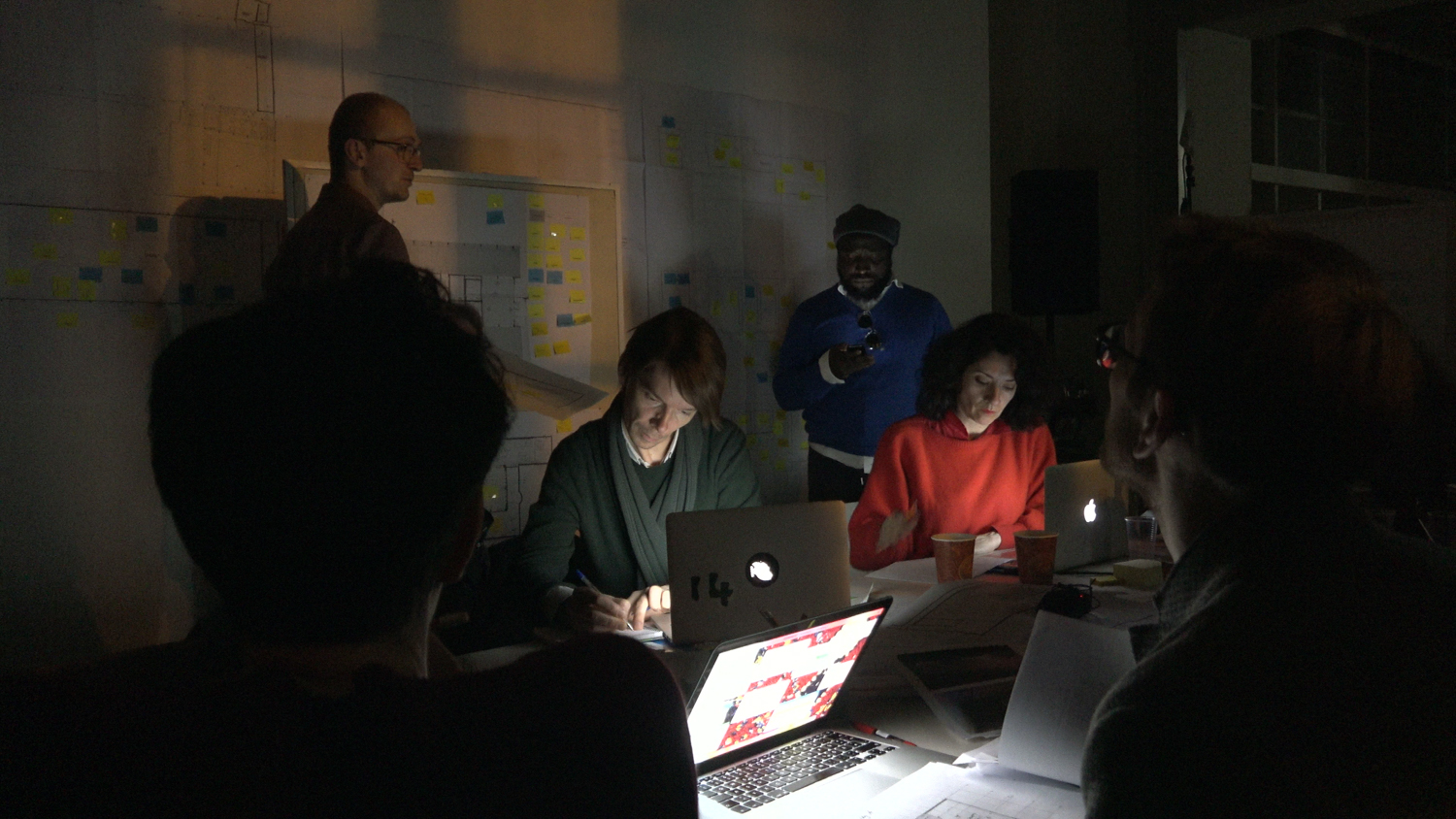
With the screening of exergue — on documenta 14 hosted by Pera Film, independent cultural initiative Görültü invites its audience behind the scenes of the contemporary art world, in collaboration with the Buradan Nereye? forums, which address the network of relationships and structural issues in culture and the arts. Greek director Dimitris Athiridis explores these questions in his documentary exergue — documenta 14, a 14-hour epic divided into 14 fast-paced episodes. Following the screening, we will hold a forum titled “Who Do Art Institutions Belong To?” on November 23, 2025, from 13:00 to 16:00 at Parmakültür.
Screening Schedule
- Episodes 1–5: Friday, November 14, 16:00 – 21:20
- Episodes 6–10: Saturday, November 15, 13:00 – 18:00
- Episodes 11–14: Sunday, November 16, 13:00 – 17:50
- Screenings will include a 20-minute intermission.
Forum Details
- Sunday, November 23, 2025, 13:00 – 16:00
exergue — on documenta 14 (2024)
Director: Dimitris Athiridis
Greece, 2024, 848', DCP, color
English with Turkish and English subtitles
1/3
2/3
3/3
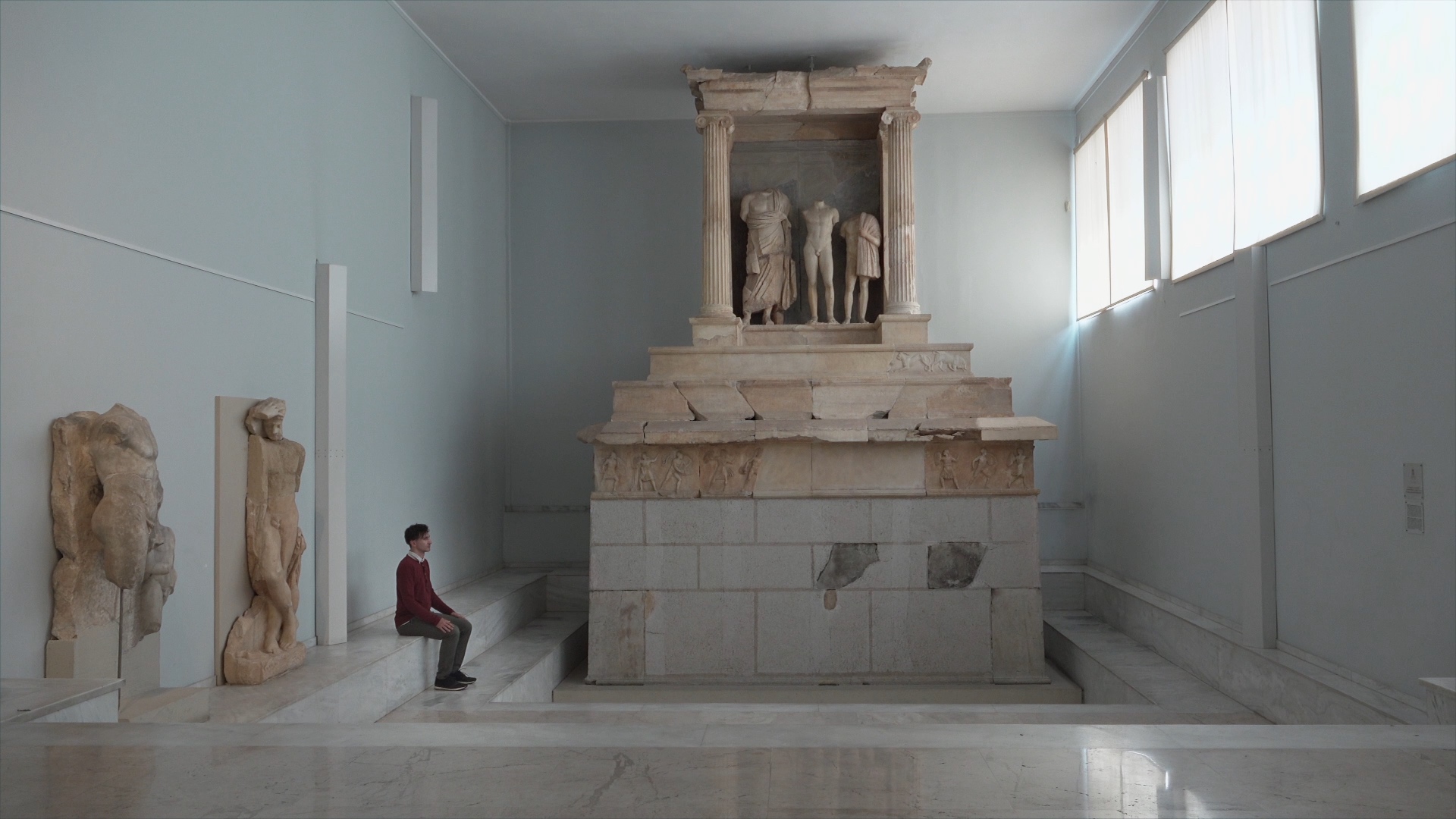
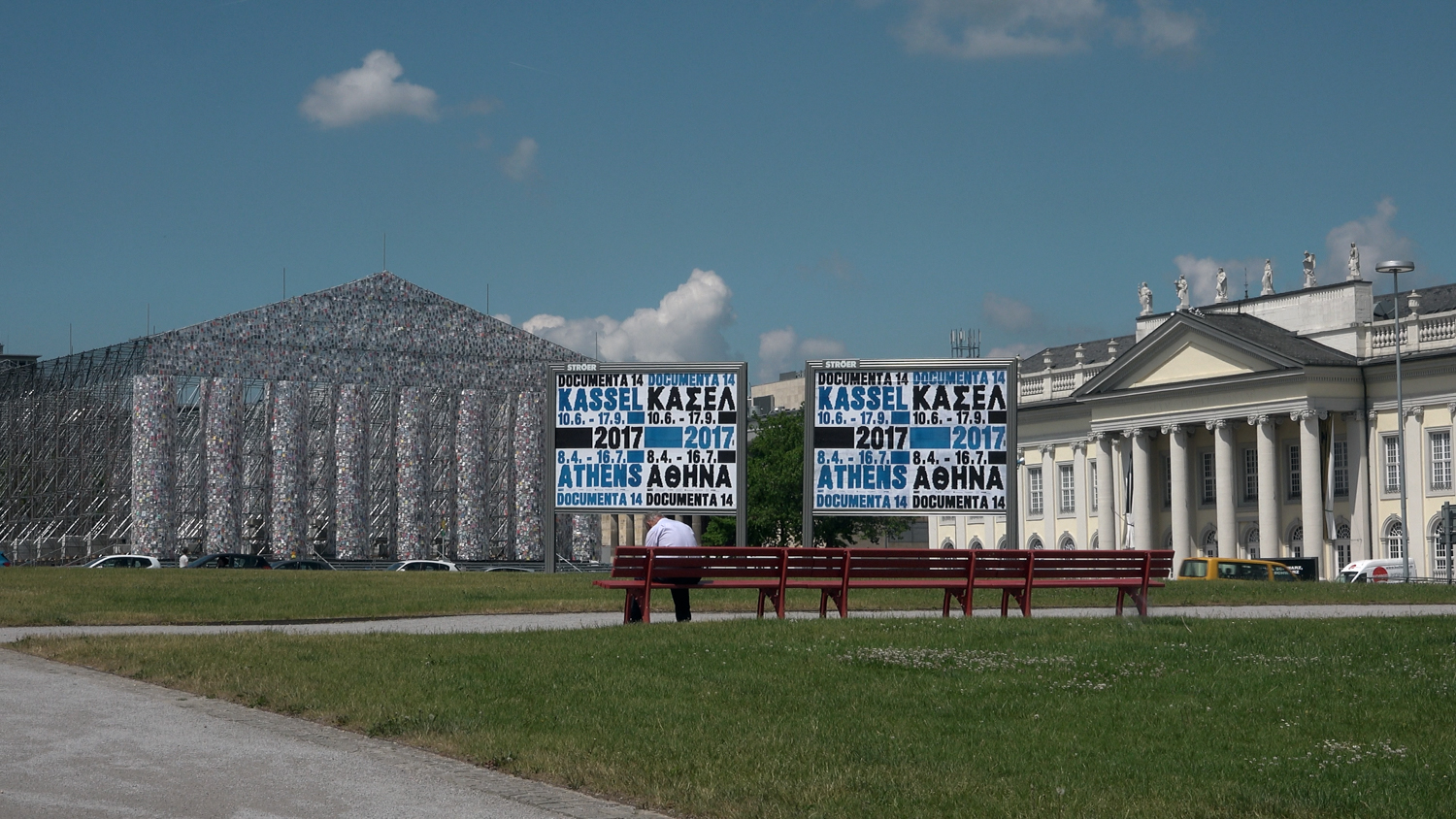
The organizing committee of documenta, one of the world’s largest art events, accepted Polish curator Adam Szymczyk’s proposal: to hold one leg of documenta, which takes place in Kassel, Germany, in Greece, which was in the throes of an economic crisis at the time. Titled Learning from Athens, documenta 14 was held in both Kassel and Athens, with equal emphasis on both cities.
The plan to transfer Germany’s financial resources to Greece, which was subject to economic sanctions at the time, and to museums and institutions in the country, was heavily criticized, and during the process, Szymczyk and his team were attacked from many sides, including right-wing politicians, institution directors, and the German press. Under this pressure, they strove to organize one of the world’s largest art events from a left-wing political perspective.
Athiridis, a photographer from Thessaloniki and director with a career showcasing complex structures through character portraits, follows the team for two years in exergue — documenta 14, allowing the audience to witness the conversations, negotiations, and creative struggles taking place behind closed doors. An example of observational cinema, the documentary uncovers the underlying reasons for the conformism of institutions that have recently remained silent in the face of Israel’s genocide, reveals the problematic structure of the relationship between culture, the arts, and financing, and draws a detailed map of the rough paths a creative production takes before reaching the audience.
About the Director
Dimitris Athiridis is a photographer and documentary filmmaker from Thessaloniki. Trained as an engineer and having worked in advertising, Athiridis focuses on character portraits in his documentaries. His first film, T 4 Trouble and the Self Admiration Society (2009), centers on the life of musician Terry Papadinas, while his second film, One Step Ahead (2012), screened at many important documentary festivals, is about wine producer Yiannis Boutais, who ran for mayor of Thessaloniki. exergue — on documenta 14, focused on Adam Szymczyk and his creative team, made its world premiere at the 74th Berlin Film Festival and has since been shown at many festivals and art institutions around the world.
Sorularla exergue - documenta 14 üzerine
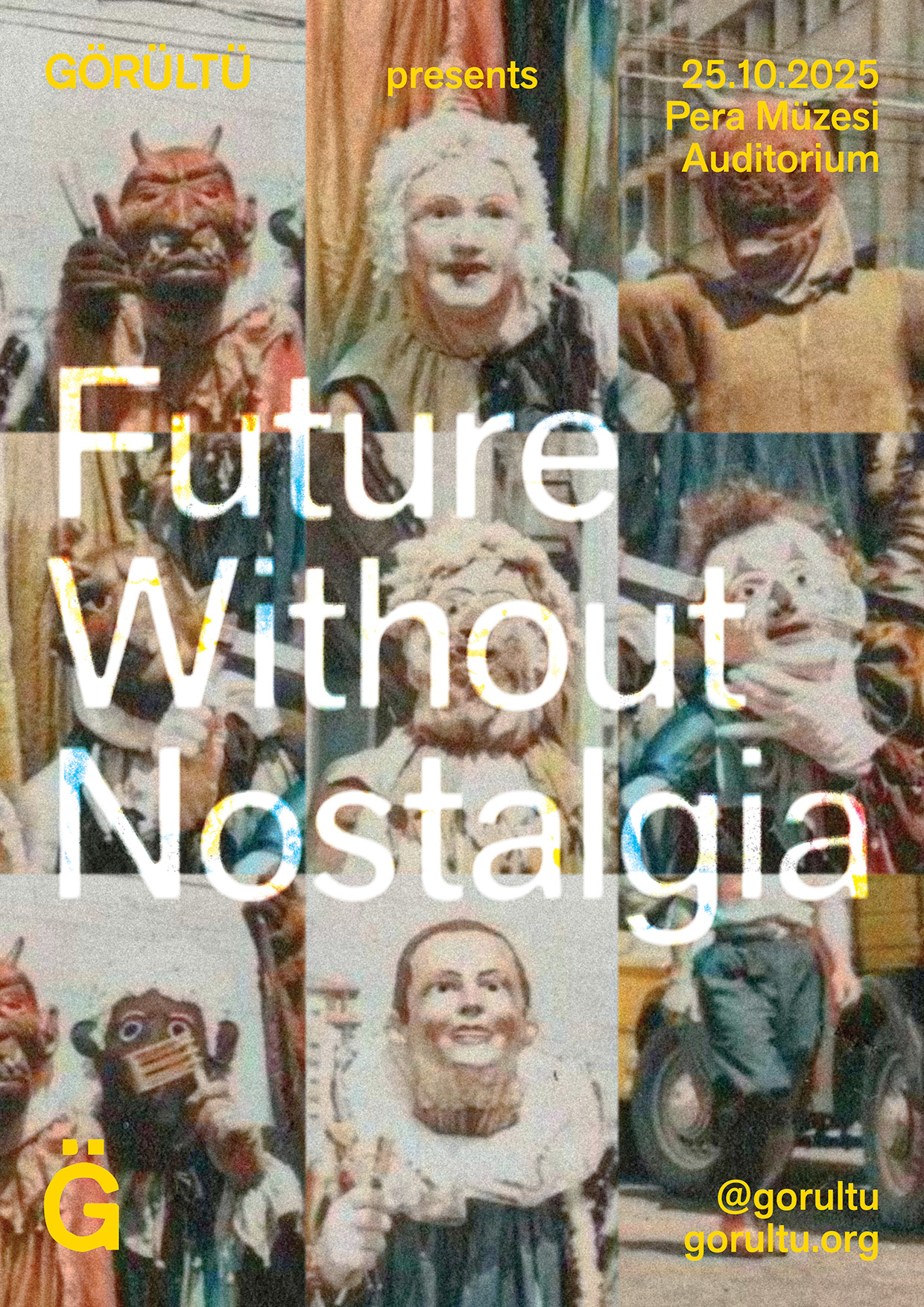
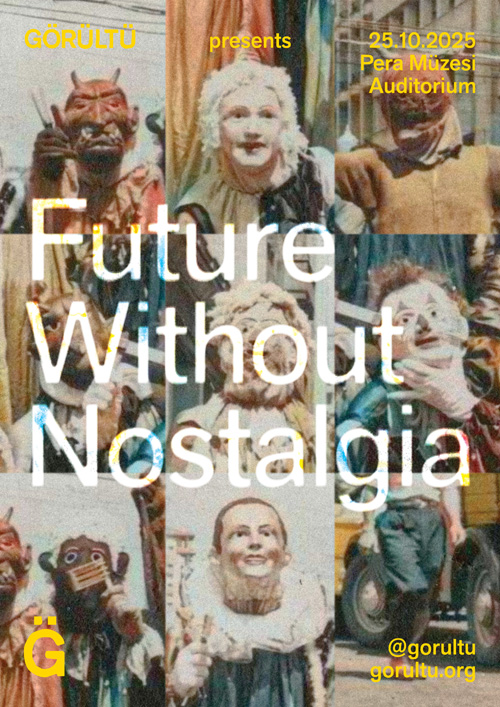
Future Without Nostalgia
Pera Museum Auditorium
In its first screening program, titled Future Without Nostalgia, independent cultural initiative Görültü brings together four films focusing on space, the city, and change. No one imagines the 22nd century. Nostalgia is an easy refuge. How can we look at the past and imagine the future without nostalgia? How can we bring a new cultural futurism into the equation? How can we ward off malignant nostalgia?
Following a screening of four films that do not lean on nostalgia but also do not deny the past, we will discuss these questions in a panel featuring architect and academic Berna Göl from the band kim ki o; journalist, writer, and translator Merve Erol, who has been part of the collective that has published Express, Roll, and Bir+Bir; and Eren Şenkardeş from KAF Collective — which has been providing services in Kahramanmaraş since the February 6 earthquake — and from the independent performing arts, music, and culture space Eksibir.
Program
- 14:00 — Pictures of Ghosts (93 min.)
- 15:35 — Intermission
- 16:00 — Shorts:
- Block E, No. 5 (13 min.)
- From the Silver Screen to Soccer Field (7 min.)
- Hymn of the Plague (14 min.)
- 16:35 — Intermission
- 16:45 — Panel
- Free screening; seating limited to auditorium capacity.
- With Turkish and English subtitles.
Films
Pictures of Ghosts (Retratos Fantasmas, 2023)
Director: Kleber Mendonça Filho
Brazil, 2023, 93', DCP, color
Portuguese with Turkish and English subtitles
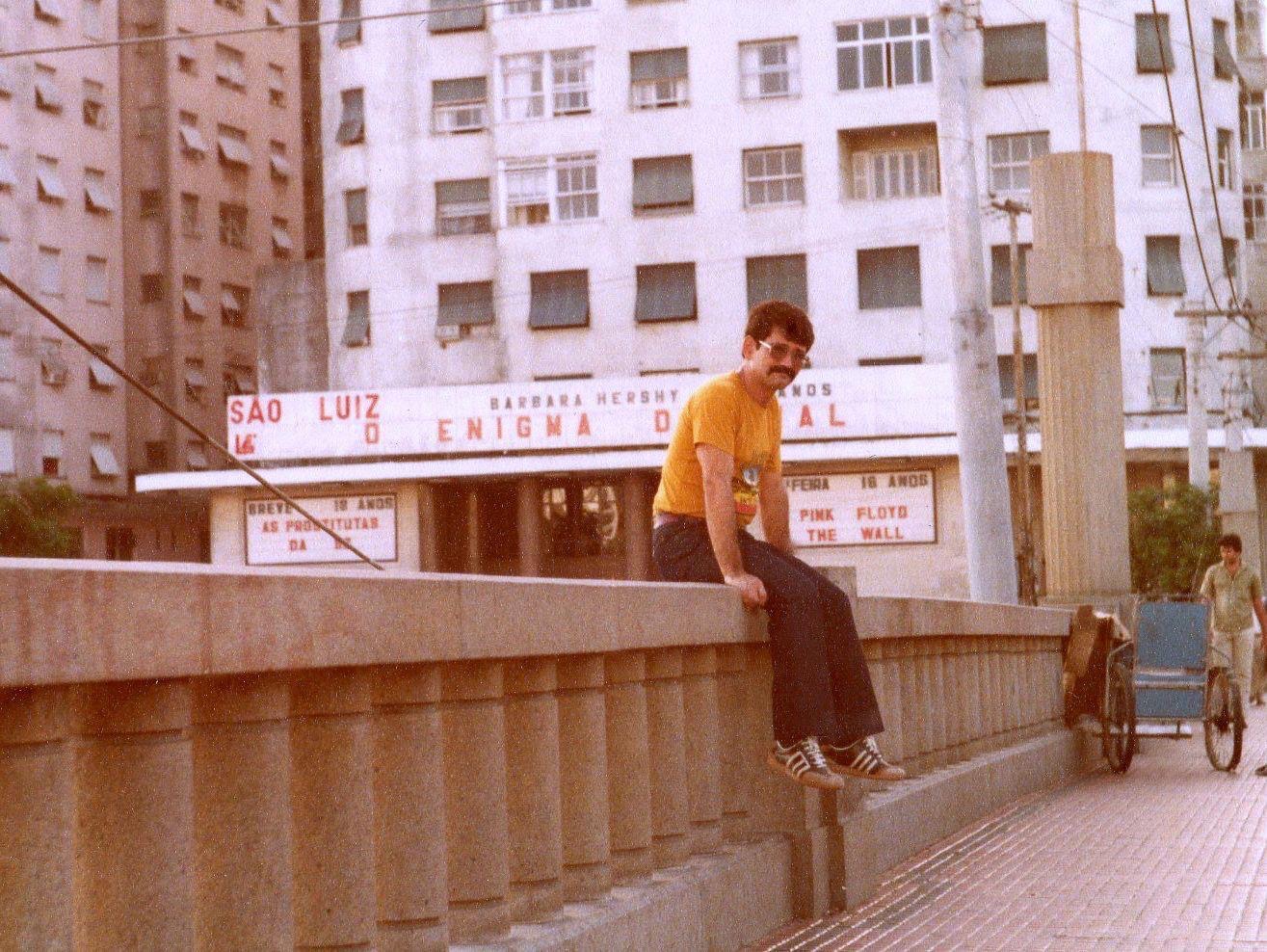
1/3
2/3
3/3
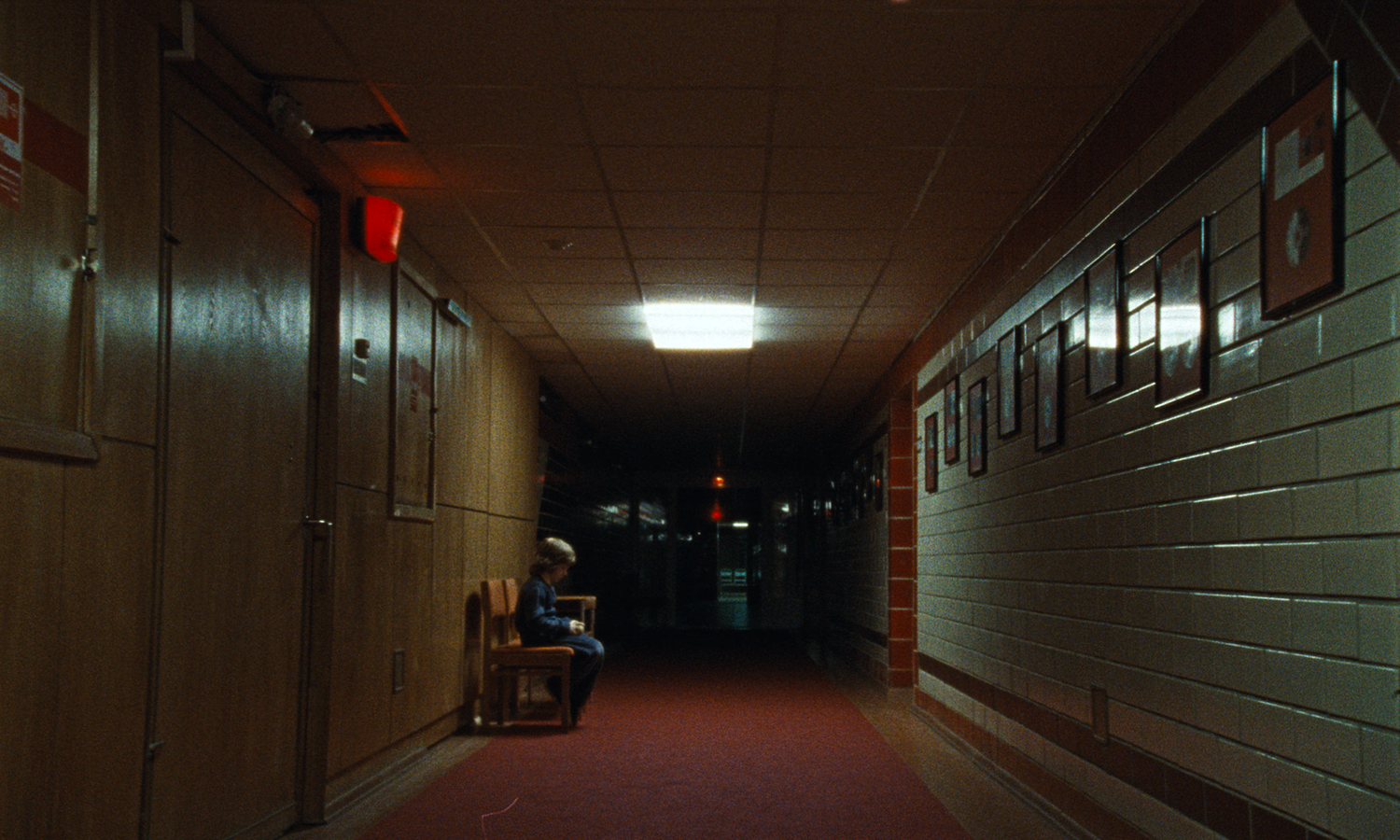
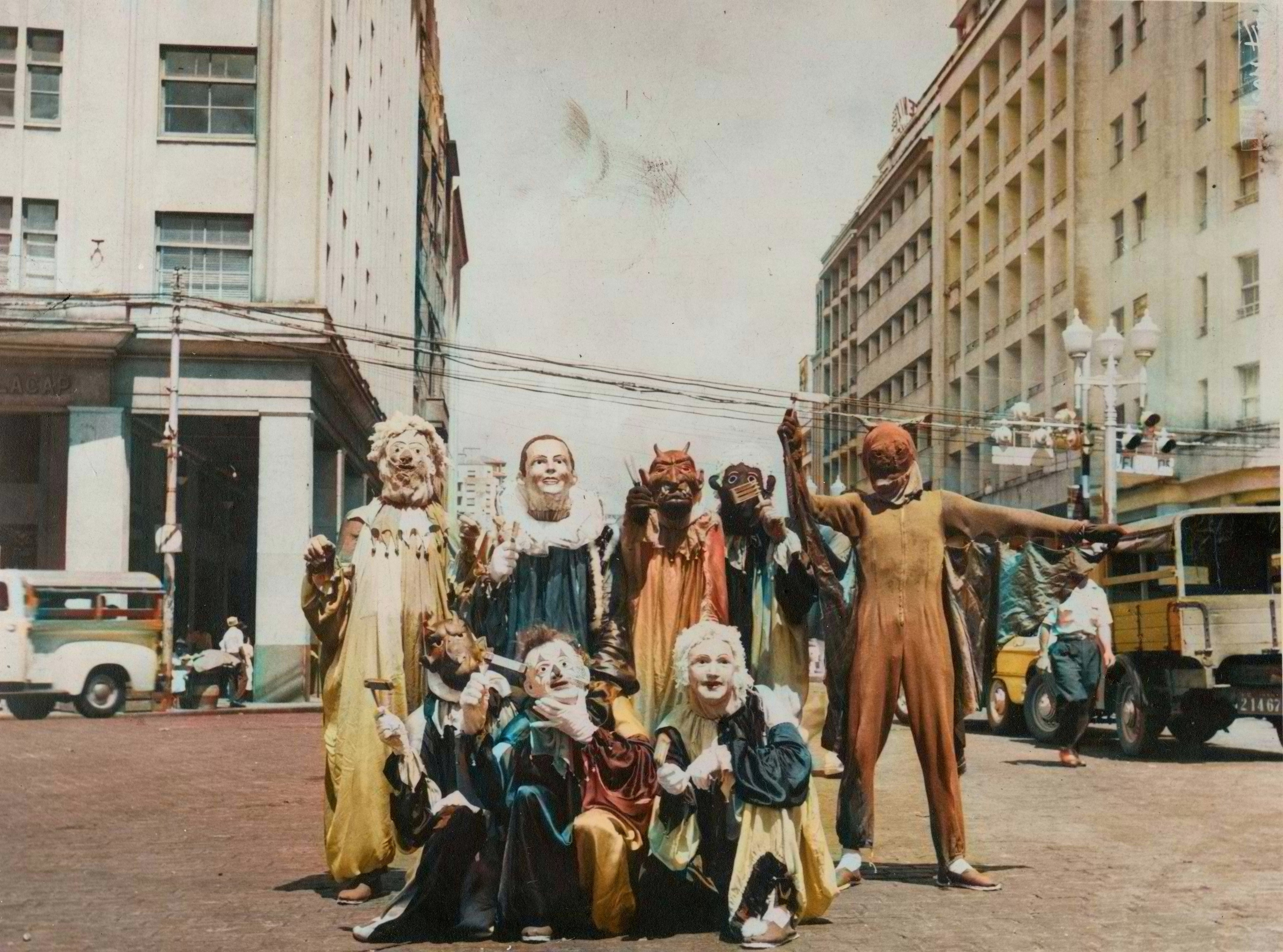
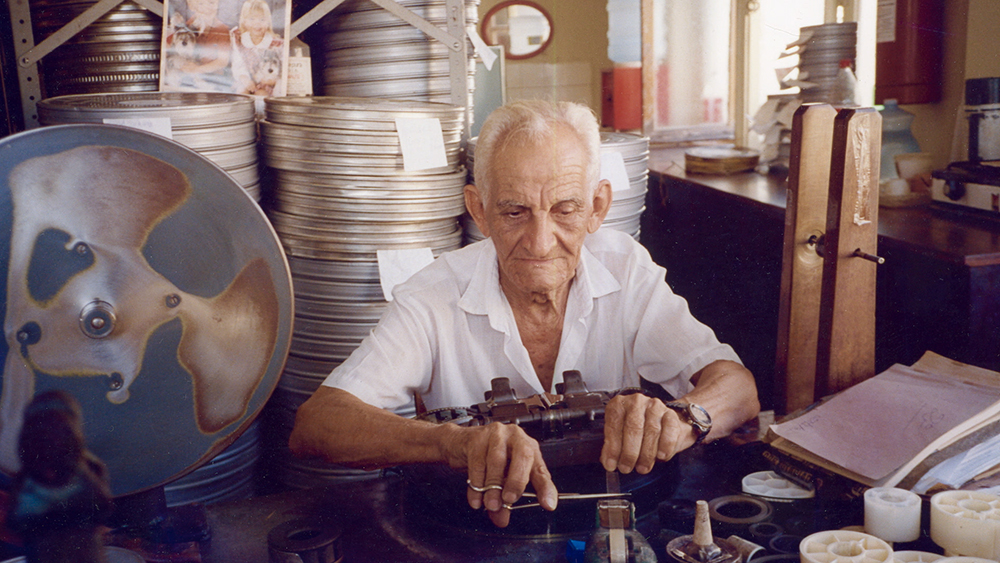
Brazilian director Kleber Mendonça Filho’s personal documentary film Retratos Fantasmas (Pictures of Ghosts) takes viewers on a tour of Recife, the director’s home town. Generations grow up as locks, fences, and high-rise buildings surround the house that has been the family home for half a century, owned by the director’s historian mother, and each house becomes a cocoon.
The house and its neighborhood also serve as the setting for the director’s first feature film, O Som ao Redor (Neighboring Sounds, 2012), which took him from his student-period B-film experiments to the spotlight of major festivals. Over the years, as real estate investments flowed into the neighborhood’s coastline, the city center has become deserted, and the film theaters that nurtured Mendonça Filho’s cinephilia have gradually turned into ghostly spaces. Churches converted into film theaters were replaced by film theaters converted into churches.
Mendonça Filho serves as a guide for the viewer, accompanied by footage he has been filming since his early youth. The documentary is not only the unique story of Recife, but also the story of many cities in Türkiye and around the world: lost places, forgotten histories, streets devoid of public life. In rapidly changing cities, what should we protect, and how? How should we plan tomorrow’s new cities?
Block E, No. 5 (E Blok, Daire 5, 2025)
Director: Çağla Gillis
Austria, Türkiye, 2025, 13', DCP, color
Turkish with English subtitles
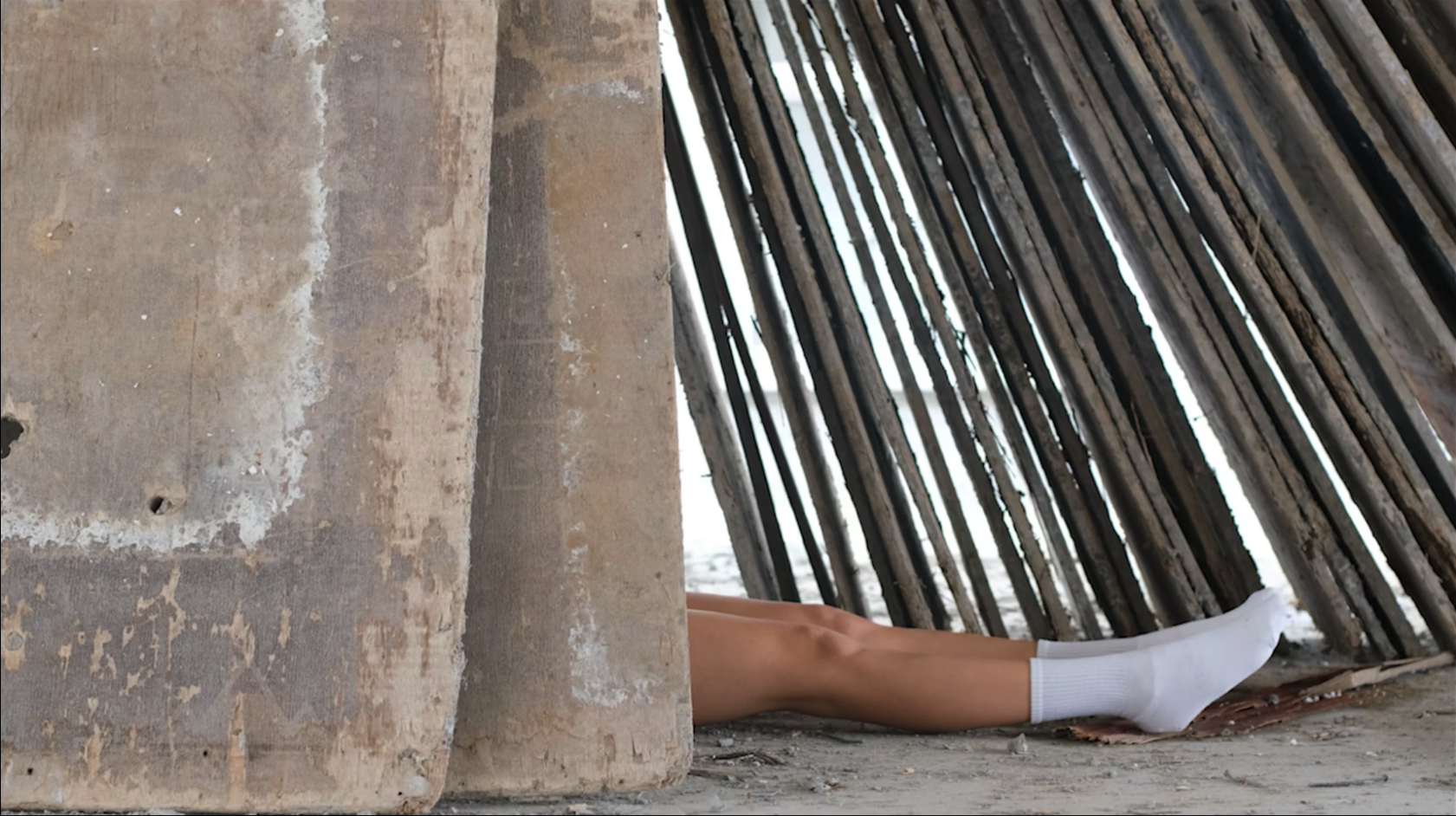
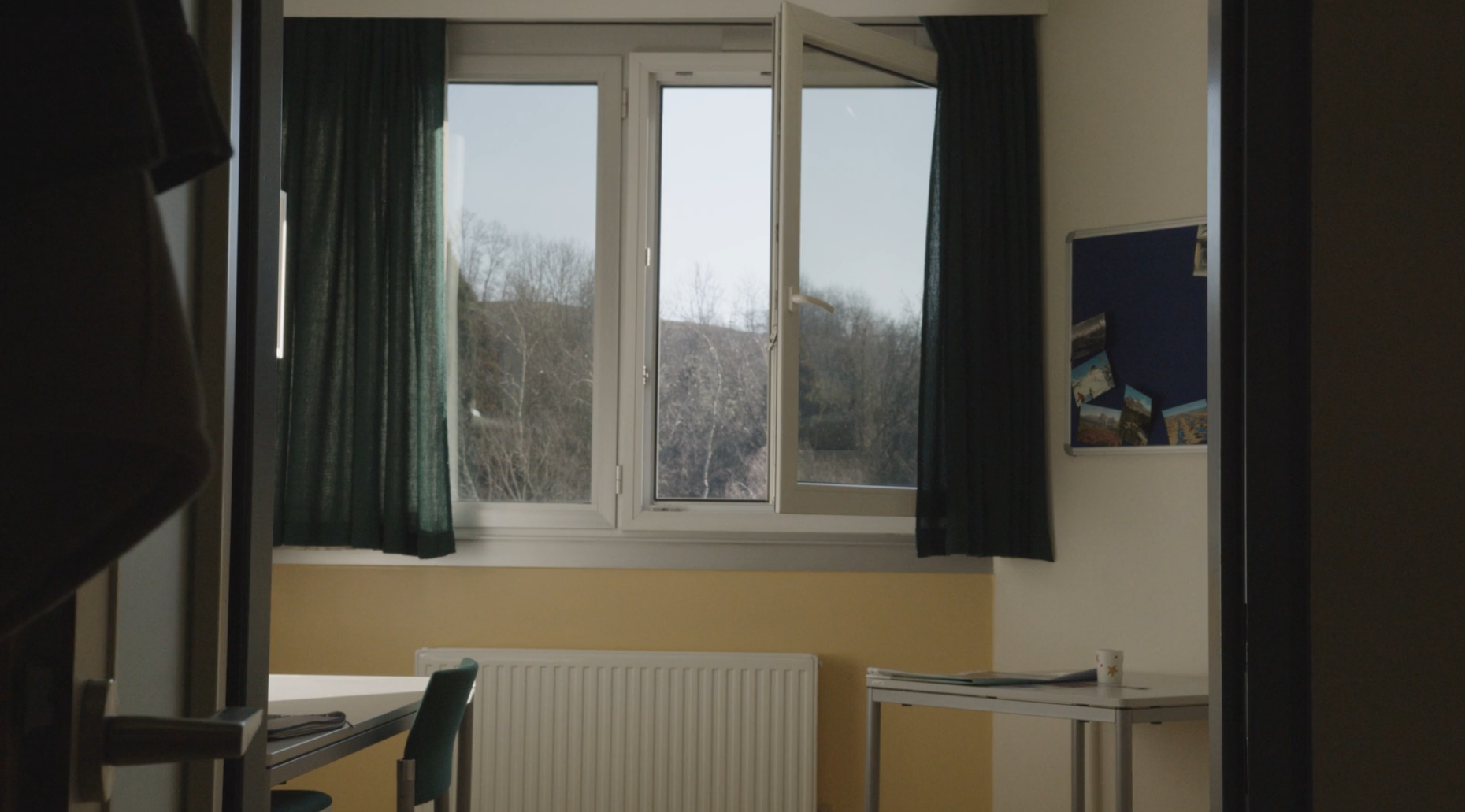
1/3
2/3
3/3
Çağla Gillis’s Block E, No. 5 has strong connections to Pictures of Ghosts: an autobiographical narrative filled with childhood memories and a lost home, a sense of emptiness and lack of belonging stemming from the loss of familiar places.
In the minimalistic narrative of the film, Gillis is in the cold and distant space of a temporary student dormitory in Austria. Meanwhile, her family is counting down the days in rented housing while the apartment building they have lived in for many years undergoes urban renewal. Accompanied by fragmented images of places during Gillis’s phone conversations with her family, and with the dream-like atmosphere surrounding the events, life reveals itself in the photographs and video recordings of family gatherings in the living room of the demolished house.
From the Silver Screen to Soccer Field
(Beyaz Perdeden Yeşil Sahaya, 2016)
Director: Özgür Demirci
Türkiye, 2016, 9', DCP, color
No dialogue
1/2
2/2
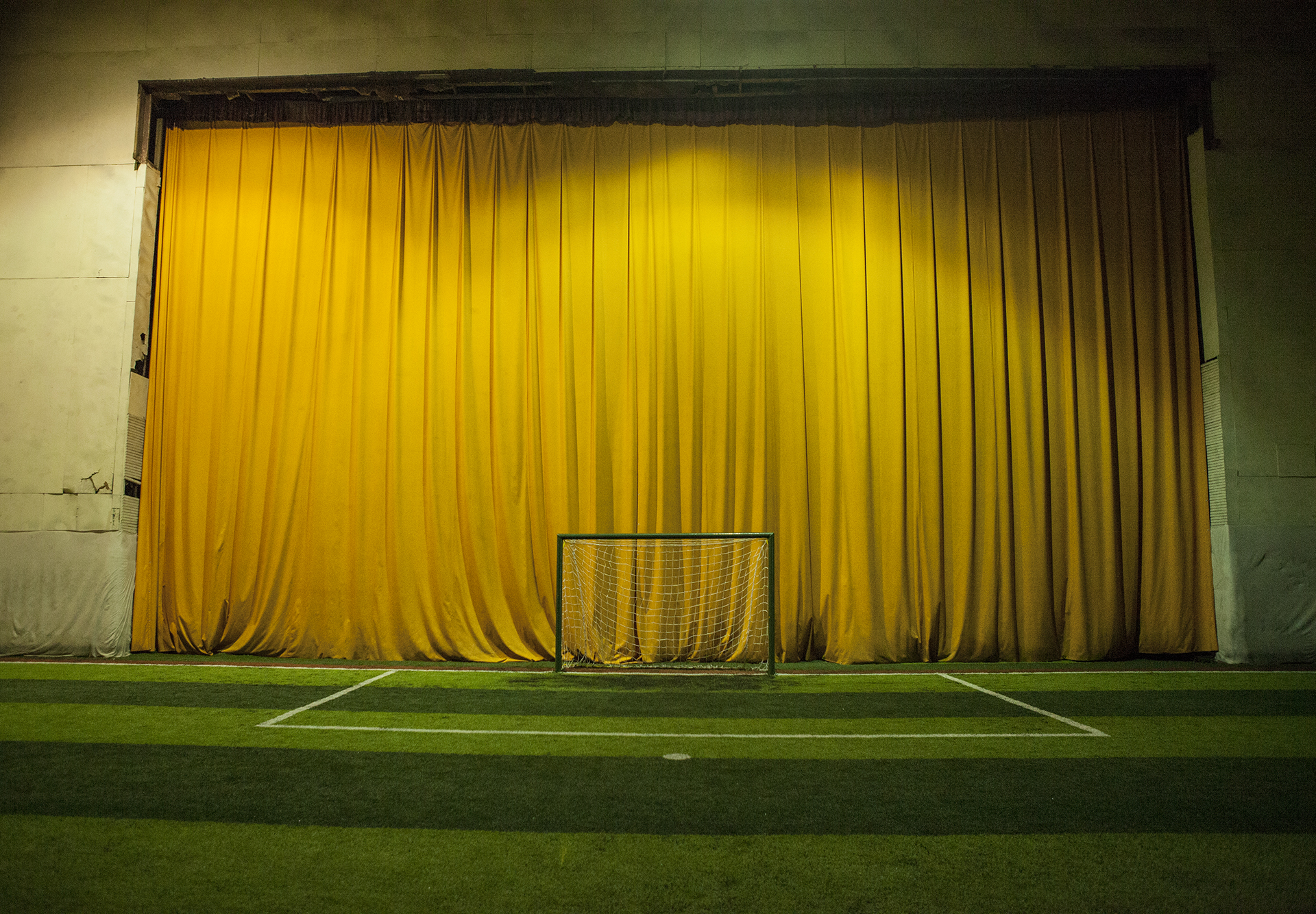
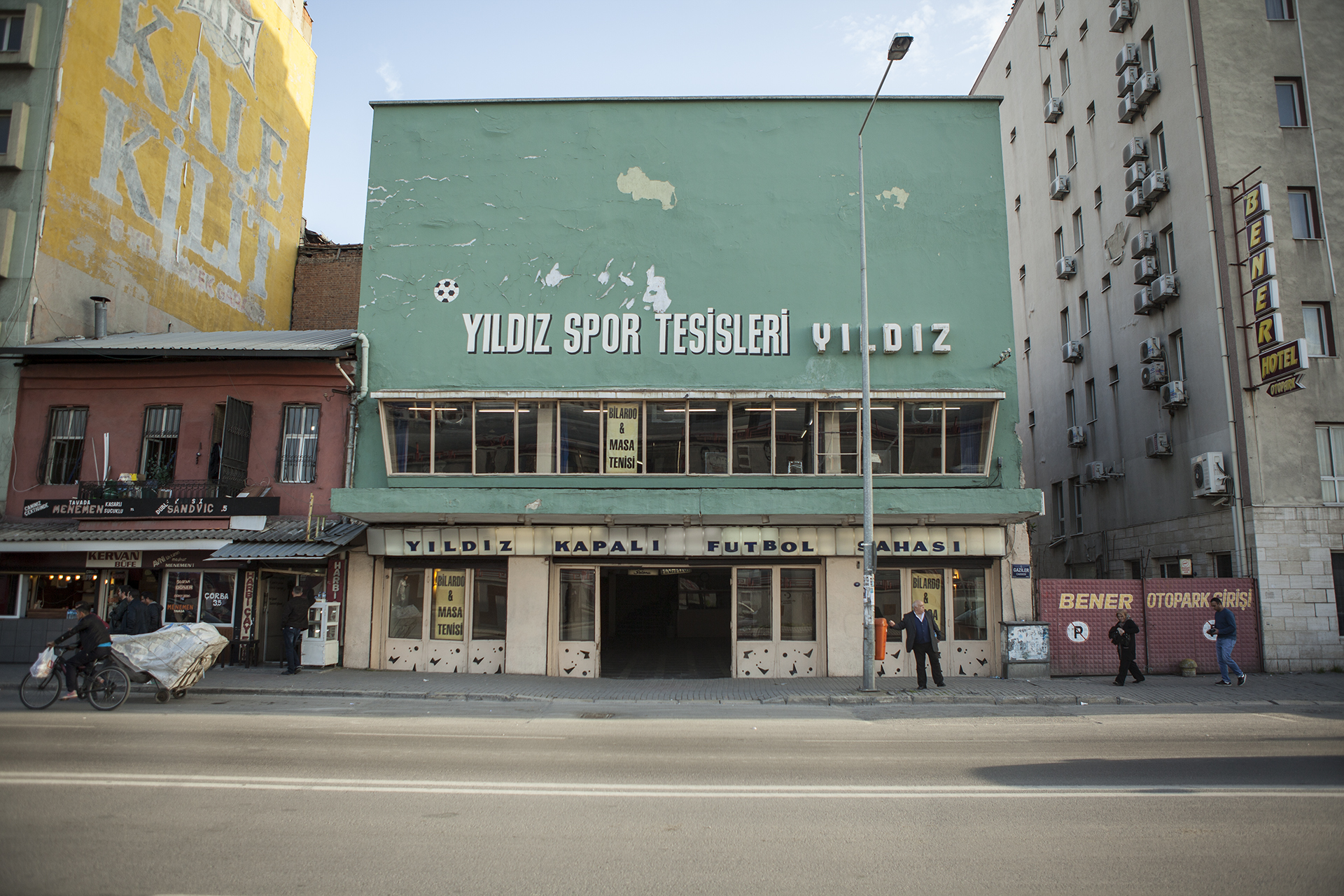
It would not be hard to imagine the Yıldız Cinema in İzmir, captured by Özgür Demirci’s camera, in Recife. Like a ghost or a silent witness, the camera wanders through the space, finding traces of what remains: the closed box office, the painted “Luxury Box” sign, worn ticket stubs, and an old projector.
Opened in the Basmane district of İzmir in the 1950s, the cinema has now been converted into an indoor football field. In this second life, it hosts amateur sports competitions for the area’s new residents, immigrants. With its uncommented witnessing, the film finds both the past and the present in the space, and does not deny the nature of change.
Hymn of the Plague (Gimn Chume, 2024)
Director: Ataka51
Germany, Russia, 2024, 13', DCP, color
Russian with Turkish and English subtitles
1/3
2/3
3/3
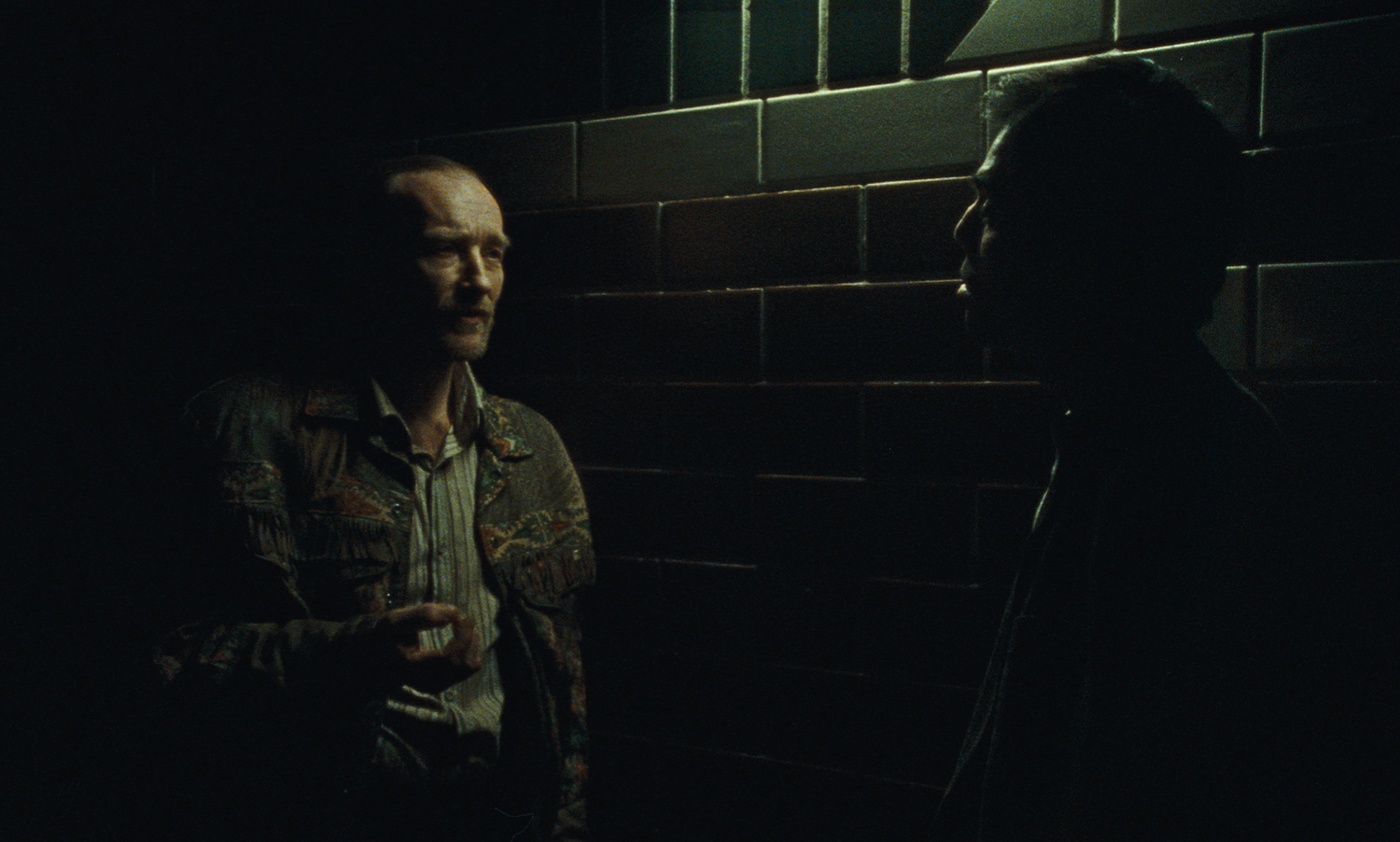
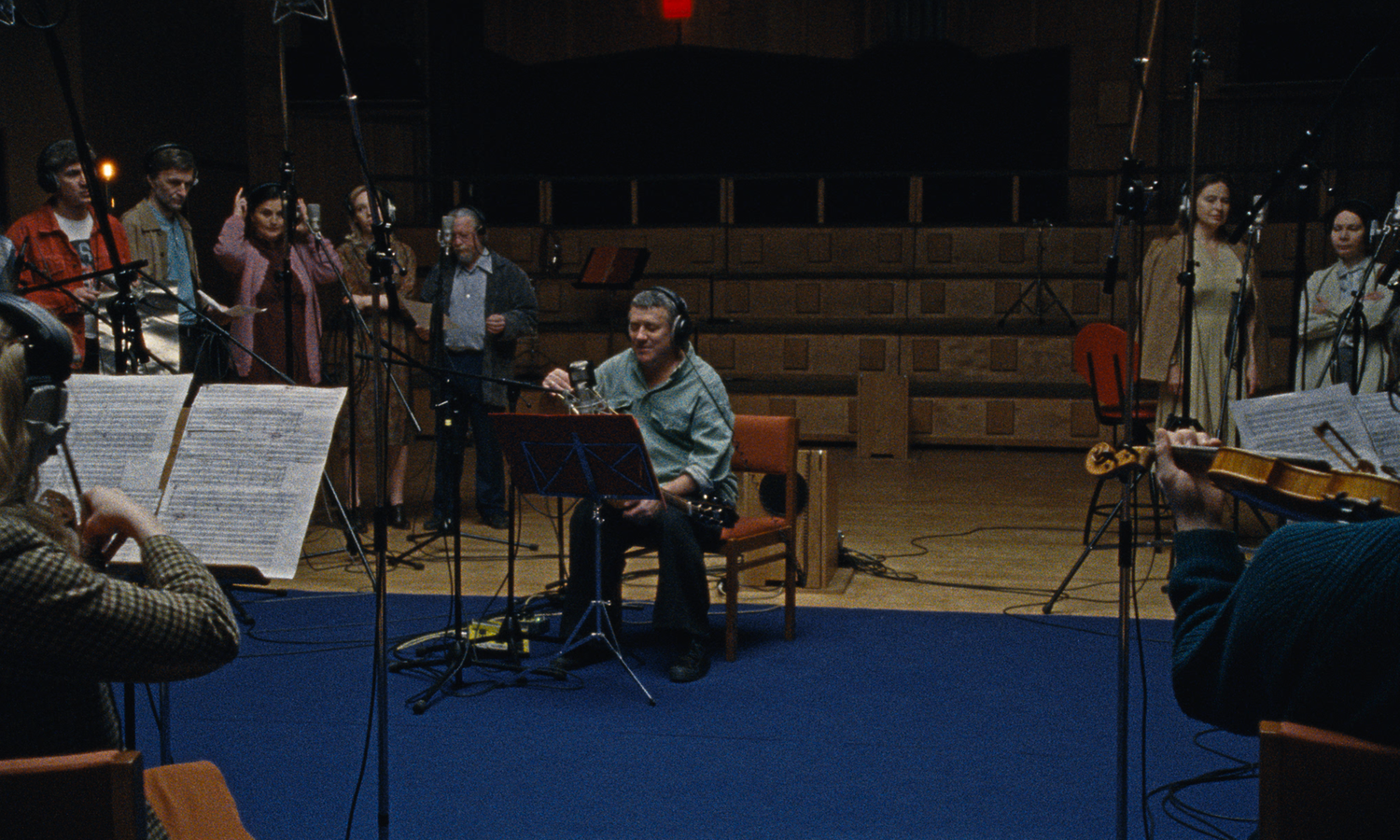
The short film Hymn of the Plague by the exiled Russian collective Ataka51 takes place in a Soviet-era recording studio, where music and ghosts intertwine. As musicians attempt to record a song, a malevolent supernatural force seeks to destroy the studio. It invades the space, haunts the musicians, and disrupts daily life.
Using creative animation techniques and a gliding camera, Ataka51 shows how decades of violence leave no breathing room for life or creativity. Drawing inspiration from Aleksandr Pushkin, the film asks: Can there be a feast during the plague?
About the Directors
Kleber Mendonça Filho is a Brazilian director known for Neighboring Sounds, Aquarius, and The Secret Agent (O Agente Secreto, 2025). After working for many years as a critic and film programmer, Mendonça Filho focused on his directing career. Experimenting with fiction, documentaries, and music videos since the 1990s, he found critical attention with his short films, which were followed by his debut feature-length documentary Crítico in 2008. Neighboring Sounds (2012), his first feature-length fiction film, set in Recife, was screened around the world. Aquarius (2016), about a woman in her 60s forced out of her home on the Recife coast by a construction company, competed at the Cannes Film Festival and was Brazil’s nominee for the Oscar. Mendonça Filho presented a harsh dystopia about the state of the world in his next film, Bacurau, and won the Best Director and FIPRESCI Awards at Cannes for his 2025 film The Secret Agent.
Çağla Gillis is the director of such short films in the experimental-documentary genre as Here and Three and Ben, Annem ve Toz, and is a doctoral candidate in Aesthetics and Pragmatics of Audiovisual Media at the Kunstuniversität Linz. While active in various fields such as writing, photography, and sound, the focus of her practice is film and video. In her work, Gillis explores women’s experiences, everyday life, and imaginary topographies.
Özgür Demirci is a video artist, academic, and co-founder of Monitor, an independent art initiative focusing on video works. Demirci explores concepts such as memory, testimony, and traces of the invisible in his video and installation-based productions, which combine poetic aesthetics with a political perspective. His work often progresses along a mythological thread that brings together individual experience and the social. His works have been exhibited at numerous art institutions and film festivals, including the Sinop Biennial, Athens Digital Art Festival, Istanbul Film Festival, and Kassel Dokfest.
Ataka51 is a film collective founded in Moscow and living in exile in Paris, consisting of Dimitri Gorbaty, Philipp Ivanov, Alex Epikhov, and Sergei Medvedev, producing short films, videos, and live performances. Ataka51’s Hymn of the Plague, which followed such films as Lucifer (2019), Zanovo (2019), and Badlands (2016), premiered at the Locarno Film Festival’s Pardi di Domani competition. The members of Ataka51 view the world as an expanding system of signs composed of science, politics, truth and fiction, humans and non-human objects, and value original creations about the world as it is today.
Sıçrama Tahtası
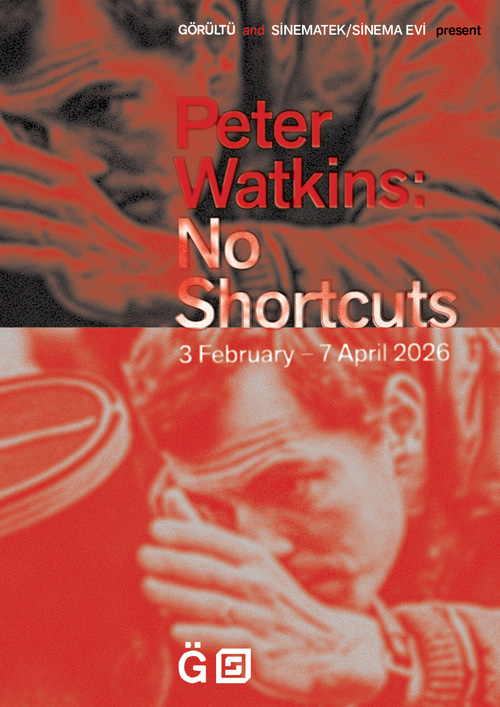
Peter Watkins: No Shortcuts
Sinematek/Sinema Evi
Program guide
“Why this film, why now? We are living through a very dark period in human history — postmodernist cynicism, raw greed produced by a consumer society that has many people in its grip, the human, economic, and ecological catastrophes brought by globalization, the suffering and vastly increased exploitation of the peoples of so-called Third World countries, the mind-numbing conformism and standardization caused by the systematic audiovisualization of the planet… All of this has collectively created a world where ethics, morality, solidarity, and commitment (except to opportunism) are deemed “out of date.” A world where excess and economic exploitation have become the norm, even taught to children. In such a world, what happened in Paris in the spring of 1871 pointed (and still points) to the belief in fighting for a better world and to the need for a collective social utopia — things we need as urgently as dying people need blood plasma. And so the idea for a film that demonstrates this resolve was born.”
From Peter Watkins’s essay on La Commune (Paris, 1871), written for the 2023 retrospective at the Reina Sofía Museum in Madrid.
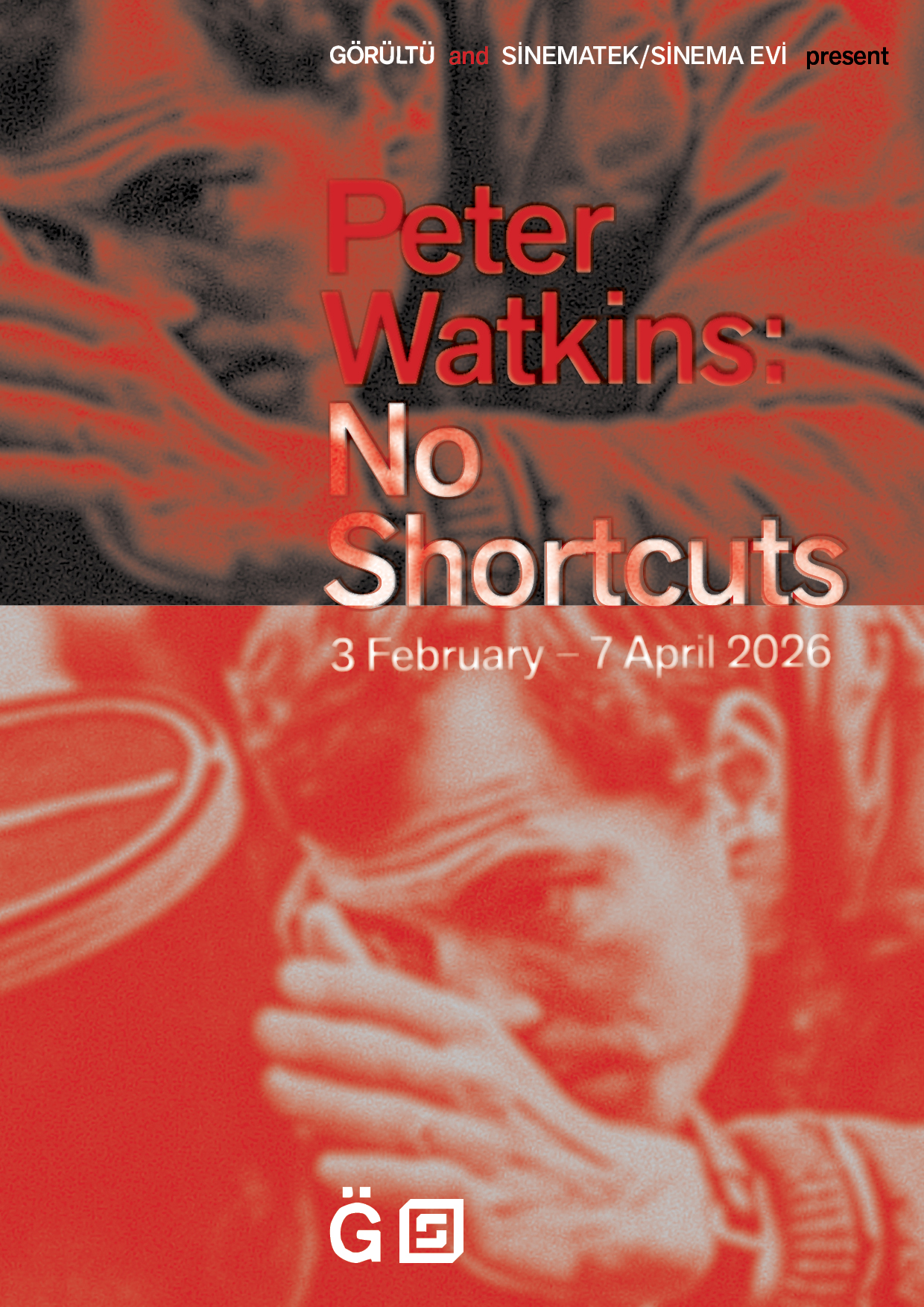
In collaboration with Sinematek/Sinema Evi, independent cultural initiative Görültü is organizing Türkiye’s first Peter Watkins retrospective, bringing 11 of Watkins’s films to audiences. Focusing on the British filmmaker who passed away in October 2025 at the age of 90, the program titled Peter Watkins: No Shortcuts will run February – April 2026.
The retrospective features Watkins’s most famous film, the political dystopia Punishment Park; the pseudo-documentary The War Game, which won an Oscar after being banned by the BBC; Edvard Munch, which he called his most personal film; the 14-hour anti-nuclear film The Journey, whose production spanned years and continents; and La Commune (Paris, 1871), which pioneered a new path through collective production methods.
From his earliest short films, Watkins blurred the boundaries between fiction and documentary, transforming the pseudo-documentary genre, of which he was a pioneer, into an increasingly effective tool for addressing issues such as systematic state violence, the violent suppression of rights struggles, inequality, and mass armament. The narrative power he achieved through the pseudo-documentary form broke new ground not only in cinema but also in visual narratives extending into contemporary art.
Throughout his career, Watkins looked at politics and history and tried to make systems of oppression visible, facing mass media that misinformed the public, censorship, and powers that destroyed the quest for equality. Reflecting on these issues, he sought an escape from the outlook of the singular creative and the hierarchical position of the director, and used collective production methods that reached their peak with his last film, La Commune (Paris, 1871). He opened up space for amateur actors and creative partnership in the production of his films, and also invited the audience into this space, never losing his belief in the power of thinking together.
Despite being constantly censored and excluded by many institutions, and being deprived of production opportunities, Watkins never compromised his stance or his pluralistic approach to production. When he was unable to make films, he continued to develop his ideas through articles, notably The Dark Side of the Moon — The Global Media Crisis, in which he voiced his strong objections to the dominant language of mass audiovisual media, which he named the Monoform.
We would like to express our sincere gratitude to Patrick Watkins, Peter Watkins’s son, for his tremendous support throughout the entire process — since our initial proposal last spring — to bring the Peter Watkins: No Shortcuts program to audiences in Türkiye. Sadly, we lost Watkins last October at the age of 90 while preparations for this retrospective were underway.
We will be at Sinematek/Sinema Evi from February to April 2026, in keeping with Watkins’s wish that his films be discussed in participatory forums by audiences rather than analyzed and explained by experts. We invite you to join us in thinking through these questions together.
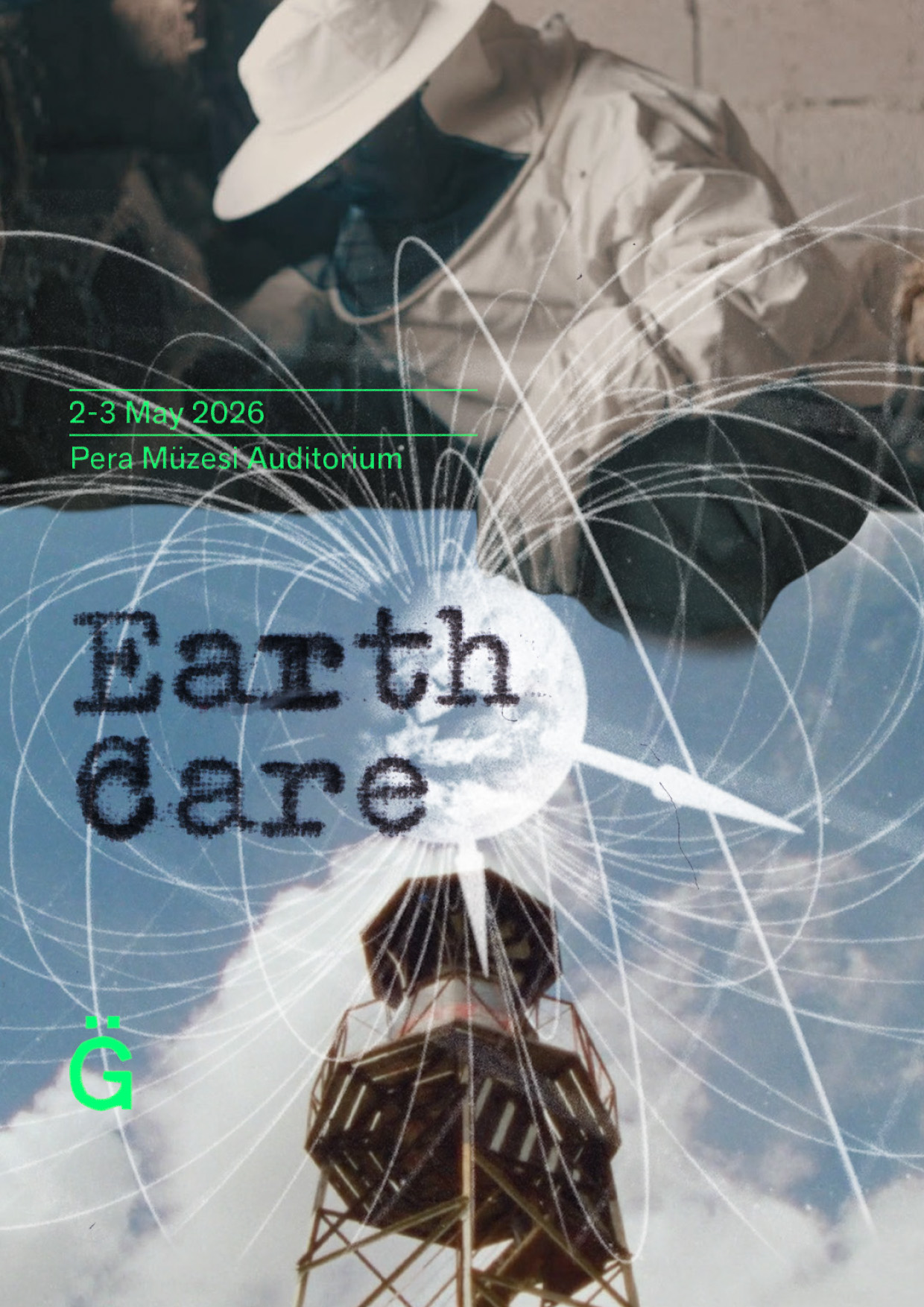
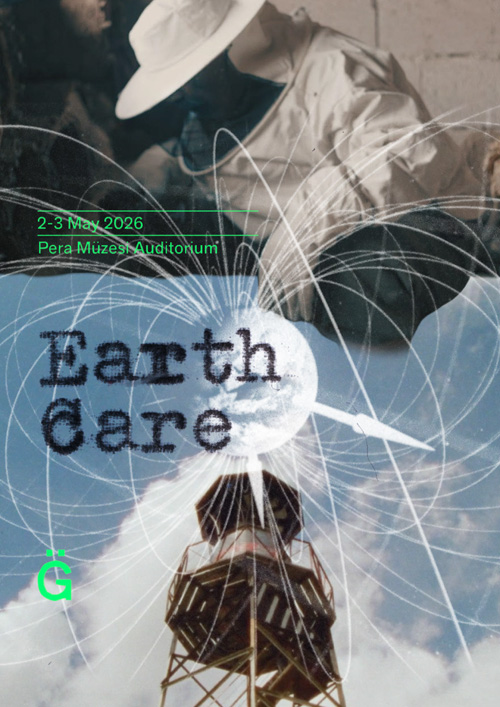
Earth Care
Pera Museum Auditorium
Screenings are free and seating is unnumbered.
We recommend arriving at the auditorium 15 minutes before showtime.
A new film program titled Earth Care, organized by the independent cultural initiative Görültü in collaboration with Pera Film and with the support of the Institut français de Turquie, invites viewers to reflect on the various meanings of “caring for” and “looking at” the land and the world, and opens them up to audiences in Türkiye through an accompanying forum.
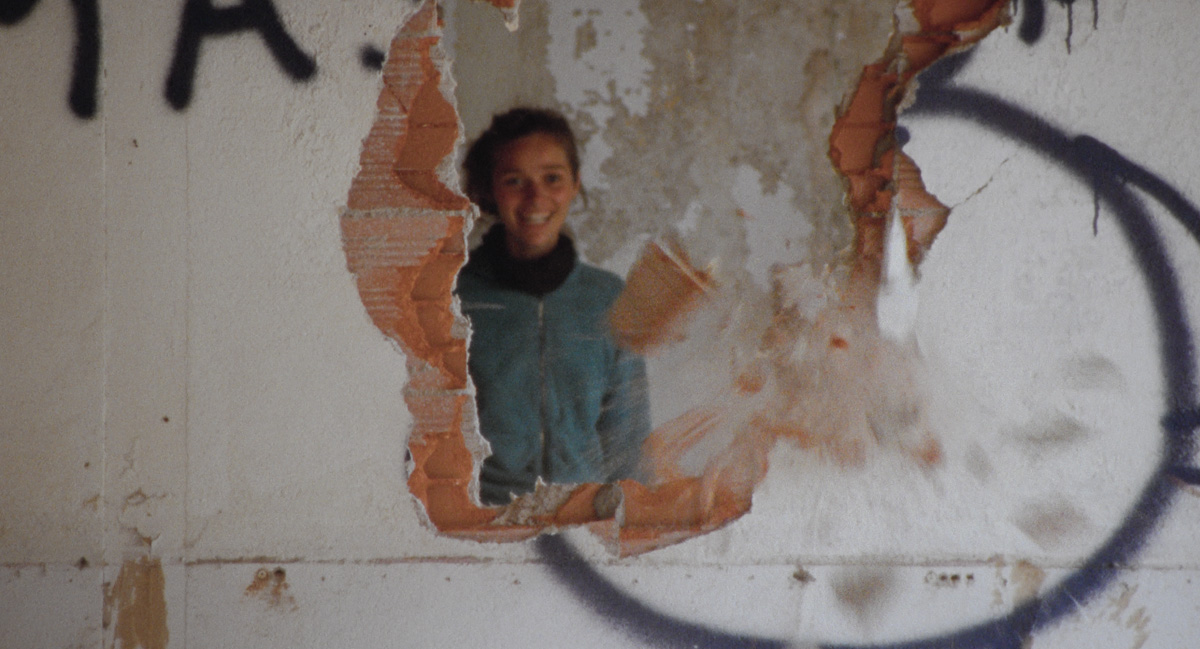
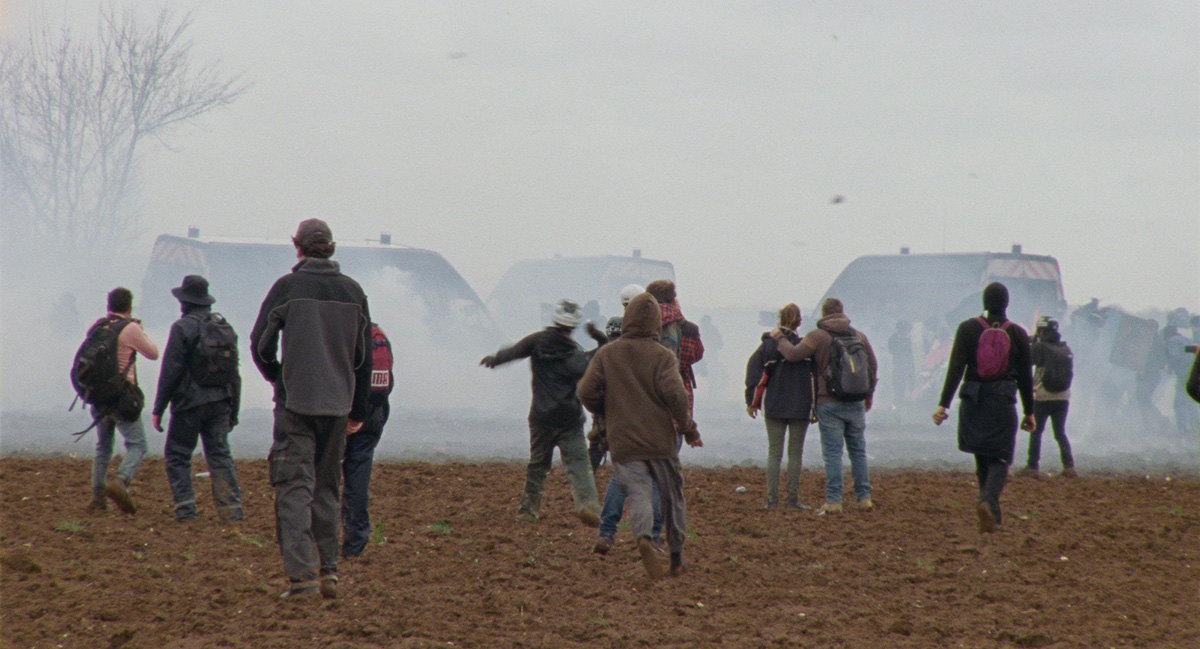
The program will open with the Turkish premiere of Direct Action (2024), directed by Ben Russell and Guillaume Cailleau, who work in the fields of contemporary art and cinema. A work of direct cinema consisting of 41 long shots, the documentary centers on France’s renowned ecological movement Zone à Défendre (ZAD), and documents the stages of a long-term political struggle, from routine to action.
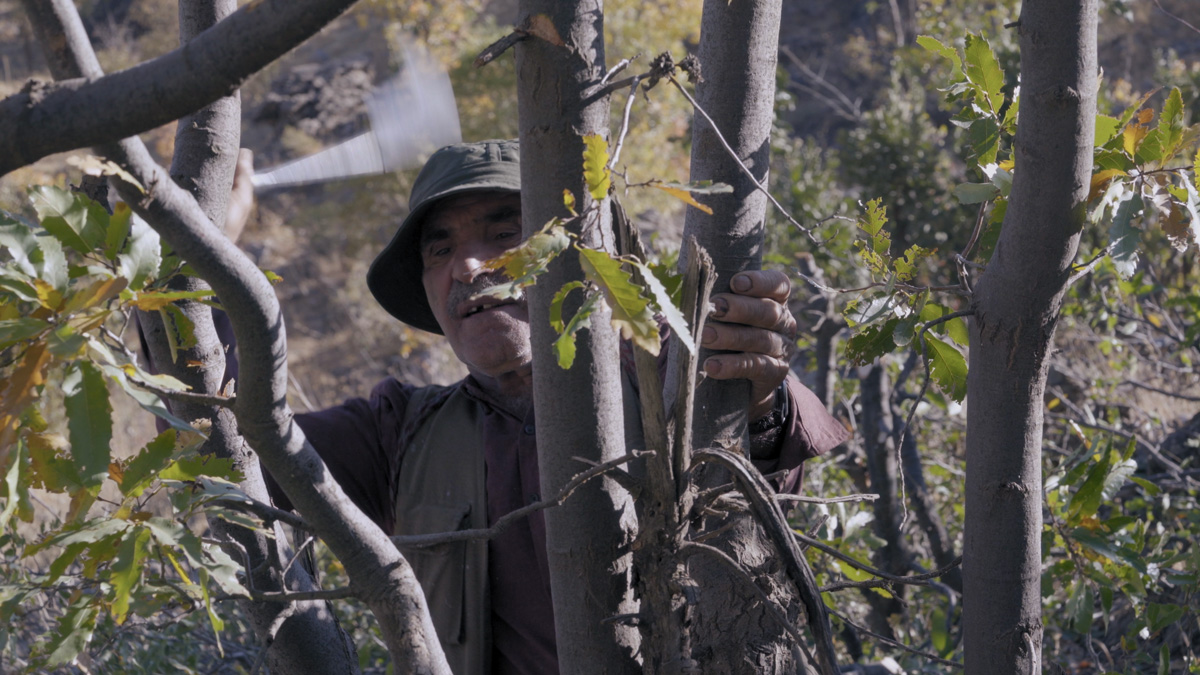
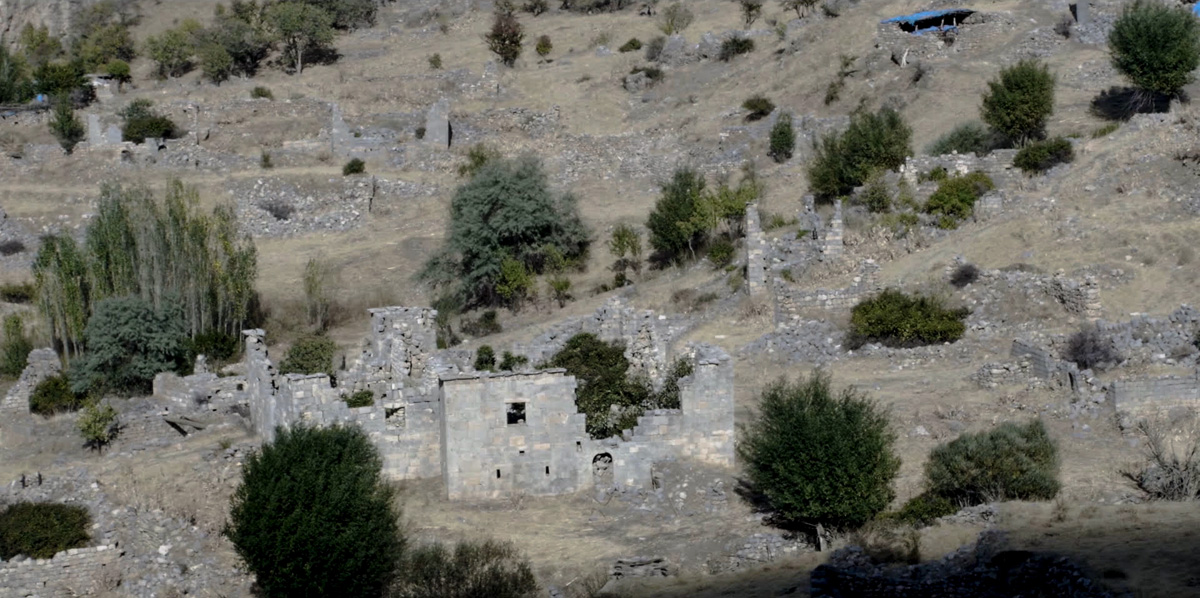
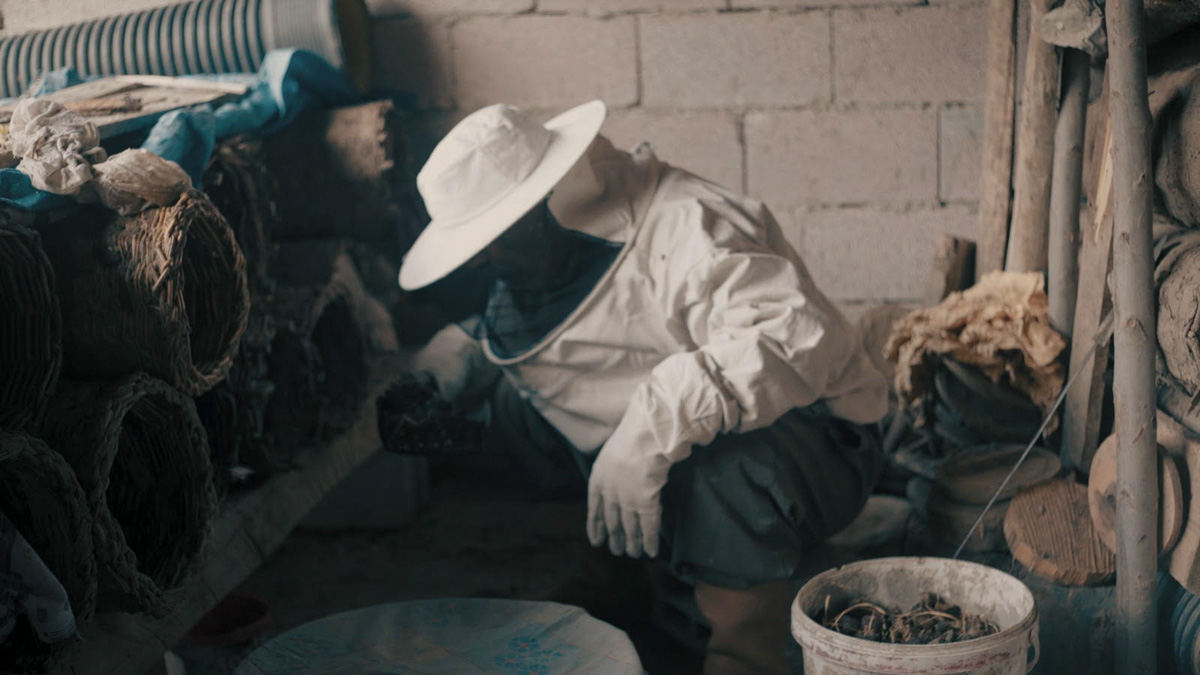
Etna Özbek’s medium-length documentary Nosema (2021) explores the final days of Hürmüz and Şimuni Diril in Meer, one of Türkiye’s last Assyrian-Chaldean villages, whose lives ended in tragedy. The film documents the routines of the Diril family, who possess traditional knowledge of nature, as they rebuild their homes burned down in a village in Şırnak, starting a new life with their bees and cattle, as well as the hardships of life in evacuated villages.
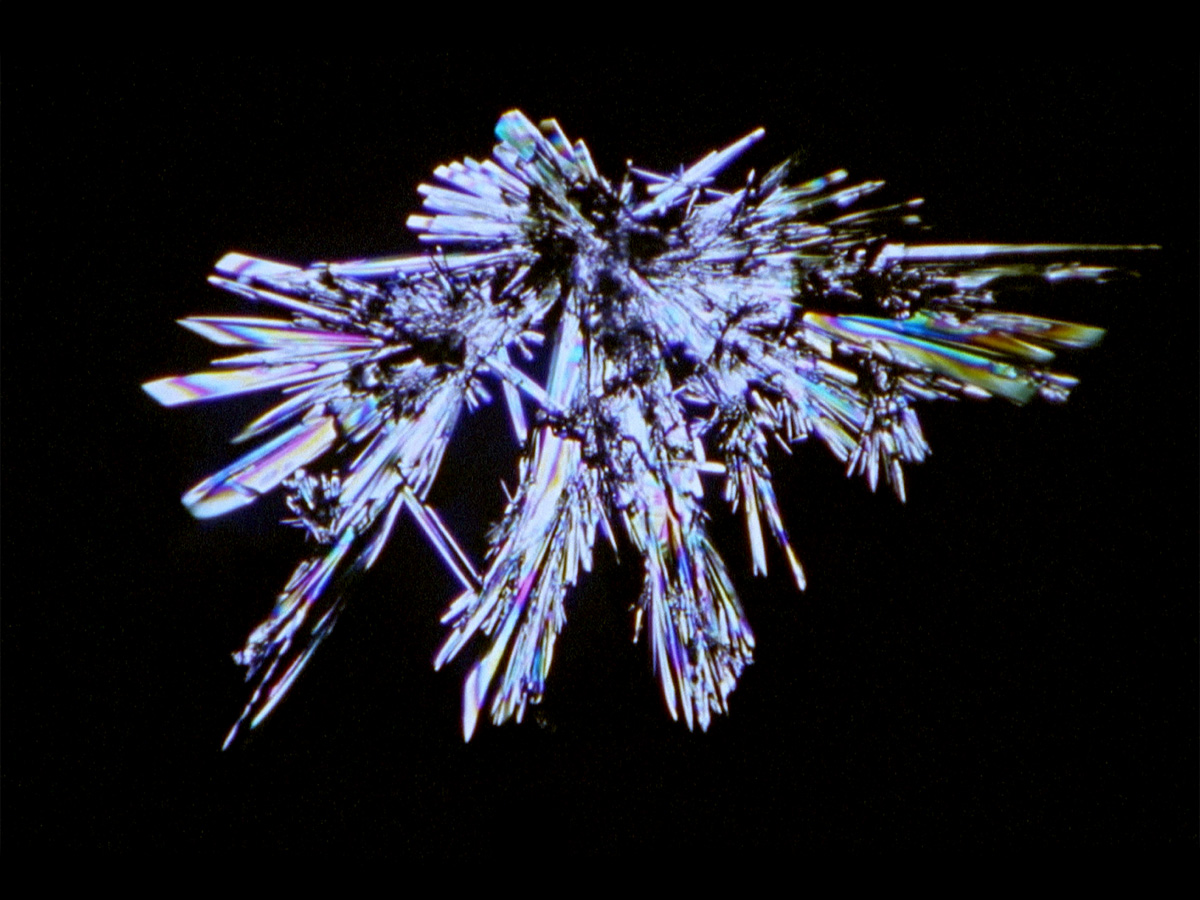
American artist and director Deborah Stratman’s Last Things (2023) constructs a narrative that removes humanity from the equation while examining our relationship with the land and the world. The experimental essay film, which examines stones and minerals through narratives of literature and science, is an award-winning work that sparks the imagination regarding the boundlessness of the world and the universe.
In the forum following the screenings — shaped under the guidance of academic, filmmaker, and artist Sevgi Ortaç and consisting of presentations and open discussions — the issues raised by the films will be discussed in light of ecological struggles and the work of food communities in Türkiye. What do the different temporalities of ecological struggle — the time of action, the time of caring for the earth, the time of the seasons — tell us? In an organization driven by volunteerism, how does one stay resilient in the face of fatigue and discouragement, and where does care work fit in? How are networks established among groups of different scales, and how are logistical decisions made? How is the desire for political struggle sustained?
Program
Saturday, May 2, 2026
- 14:00
Direct Action
Guillaume Cailleau, Ben Russell (216 min.)
Sunday, May 3, 2026
- 14:00
Nosema — Etna Özbek (32 min.)
Last Things — Deborah Stratman (50 min.) - 15:25 — Intermission
- 15:45 – 17:45 — Forum
Pera Museum Auditorium
Films
Direct Action (2024)
Directors: Guillaume Cailleau, Ben Russell
France, Germany, 2024, 216', DCP, color
French, Moroccan Arabic, English with Turkish, English subtitles
1/3
2/3
3/3
“You can’t always win. You can’t always lose either. This is why you have to practice, so you don’t always lose.” * From Direct Action
In Direct Action, Ben Russell and Guillaume Cailleau invite viewers to join them in observing the ecological movement Zone à Défendre (ZAD), which, in 2018, forced Emmanuel Macron to cancel an airport construction project.
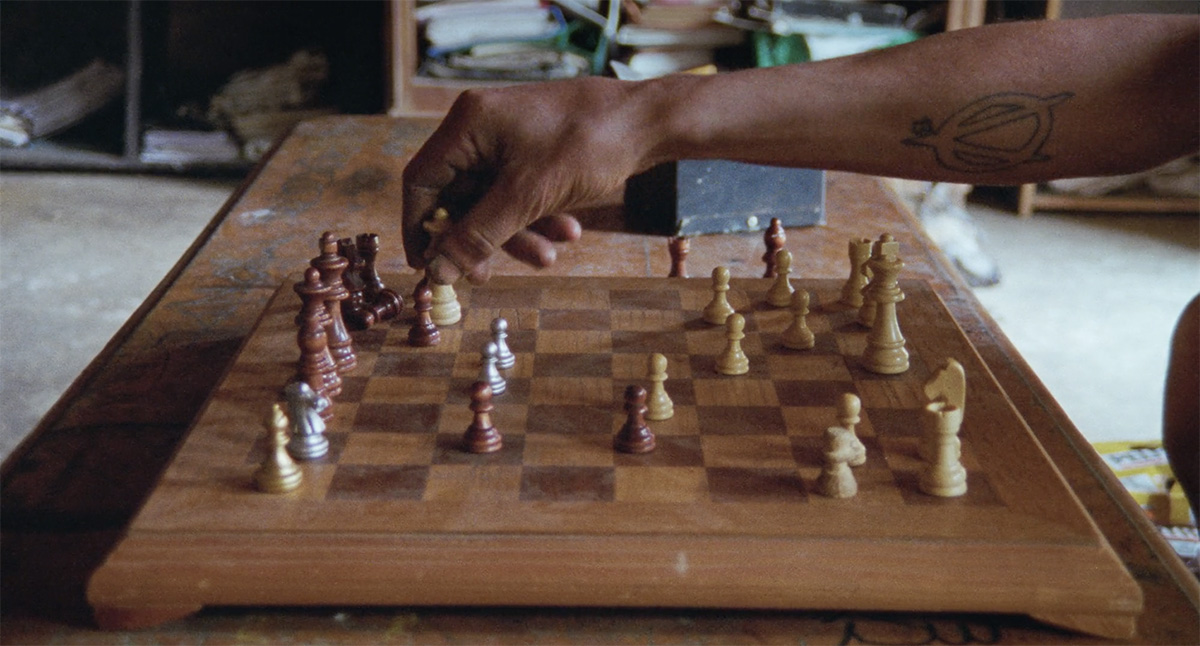
Over 100 days between 2022 and 2023, the two directors, who both filmed and worked with the commune, present a documentary with a powerful statement on the rhythms of political struggle: The 30,000 people who gather for protests can leave the stage to 100 people carrying out daily work; and the patience and routine required for tasks like baking bread for hundreds of people or weeding fields for hours are also part of the struggle. The directors turn their cameras to tasks ranging from cutting wood to preparing for police interrogations, from press conferences to cleaning the teeth of a saw.
Comprising 41 long shots and demanding from its audience the same patience that the commune’s operations require, the documentary has frequently made headlines at film festivals. Filmed in Super 16 format, Direct Action builds a bridge between form and content by linking the cinematic language used directly with the political stance it addresses, presenting viewers with a proposal on how to resist capitalism and ecological destruction by opening up a space for observation.
With the support of the Institut français de Turquie.
Nosema (2021)
Director: Etna Özbek
Türkiye, 2021, 32', DCP, color
Syriac, Kurdish, Turkish with Turkish and English subtitles
1/3
2/3
3/3
Etna Özbek’s medium-length documentary Nosema is set in Meer, one of the last Assyrian-Chaldean villages in Türkiye. Documenting the months leading up to the tragic end of Hürmüz and Şimuni Diril’s lives, which were cut short by an unsolved murder, the film follows the couple as they return to their village to rebuild their homes time and again, chronicling their days spent tending to beekeeping and livestock. Despite their lives being upended by political conflicts, the film captures the couple’s rhythms and routines as they steadfastly rebuild their connection with nature and the land, offering viewers a glimpse into Assyrian-Chaldean traditions and the final days the extended family spent together.
Nosema is a powerful narrative, told through creative stylistic choices, about the costs and intersections of human, natural, and political conflicts. Named after a disease that decimates bee colonies, the film explores the tragic commonalities between marginalized minorities and endangered species.
Last Things (2023)
Director: Deborah Stratman
France, USA, Portugal, 2023, 50', DCP, color
English, French with Turkish, English subtitles
1/3
2/3
3/3
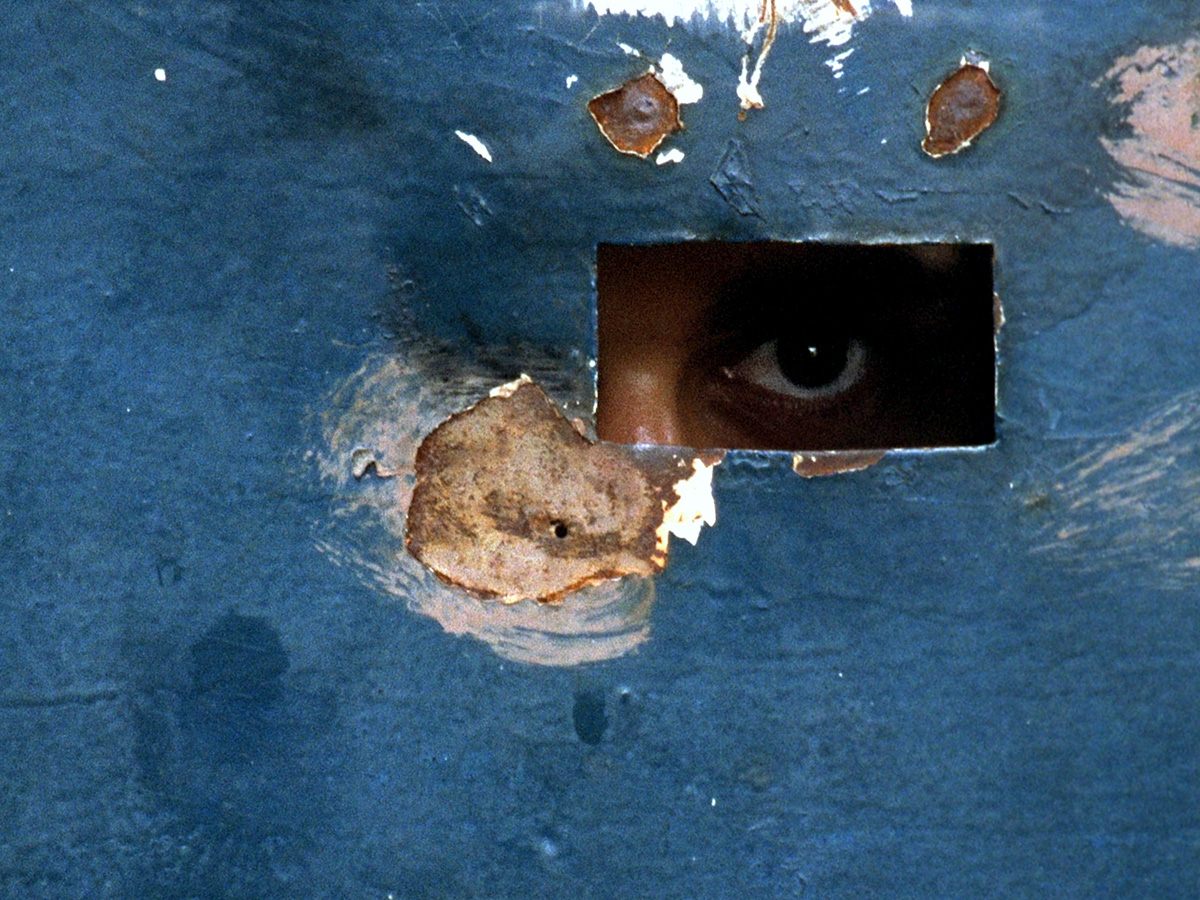
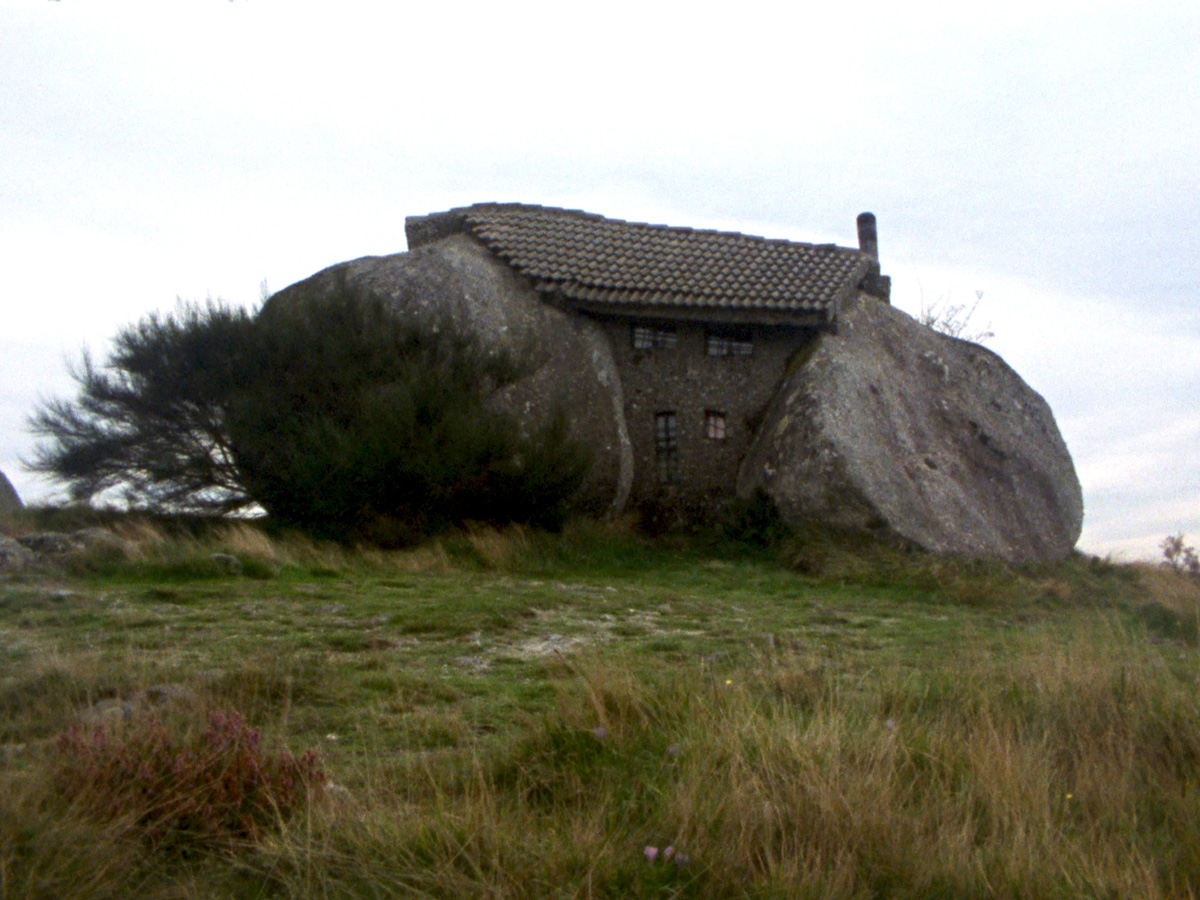
In Last Things, pioneering experimental filmmaker Deborah Stratman once again renders invisible systems visible. Winner of the Best Experimental Film Award at the 2024 Istanbul Experimental Film Festival, Last Things takes its starting point from rocks and minerals, and examines life, evolution, and scenarios of extinction.
Progressing through the possibilities of a world and universe without humans, the film constructs a narrative where prehistory and the future intertwine, using a collage of texts and interviews drawn from J.-H. Rosny’s science fiction novels, a story by Clarice Lispector, and scientific studies. This essay film is an avant-garde exploration that shifts the focus away from humanity, while examining ecological struggles and the story of the world and the land, serving as a reminder of the boundlessness of the universe.
About the Directors
Etna Özbek was born in Ankara in 1991. She obtained her BFA degree in film/video from the School of Visual Arts in New York in 2017. Her documentary Nosema won the Honorable Jury Mention at the 40th Istanbul Film Festival, and made its international premiere at IDFA. She is currently working on her first feature-length documentary Walking Gently.
Artist and filmmaker Deborah Stratman makes work that investigates issues of power, control, and belief, exploring how places, ideas, and society are intertwined. She regards sound as the ultimate multi-tool and time to be supernatural. Recent projects have addressed freedom, surveillance, public speech, sinkholes, levitation, orthoptera, raptors, comets, evolution, extinction, exodus, sisterhood, and faith. Stratman’s films have been featured widely at festivals and conferences including Sundance, Viennale, Berlinale, CPH:DOX, Oberhausen, True/False, TIFF, Locarno, Rotterdam, the Flaherty, and Docs Kingdom. She lives in Chicago, where she teaches at the University of Illinois.
Born in 1978, the Berlin-based artist and filmmaker Guillaume Cailleau produces films with his own company CaSk Films. His work explores new forms to address political and social issues. His films were screened at various international film festivals including in Berlin, New York, Rotterdam, and Edinburgh, and his work has been exhibited in art institutions such as the Bangkok Art & Culture Centre, the Royal Ontario Museum, the Haus der Kulturen der Welt, and the Centre Pompidou. His short film Laborat won a Silver Bear at the 2014 Berlinale.
Ben Russell (USA, 1976) is a Marseille-based artist, filmmaker, and curator whose work lies at the intersection of ethnography and psychedelia. Russell was an exhibiting artist at documenta 14 (2017) and his work has been presented at the Centre Georges Pompidou, the Museum of Modern Art, the Tate Modern, the Museum of Modern Art Chicago, the Venice Film Festival, and the Berlinale, among others. Direct Action is his 5th feature-length film.
To reach us, you can write to info [at] gorultu.org.
Instagram: @gorultu
Subscribe to the newsletter:
Peter Watkins: No Shortcuts
To order the book, contact us at
info [at] gorultu.org.
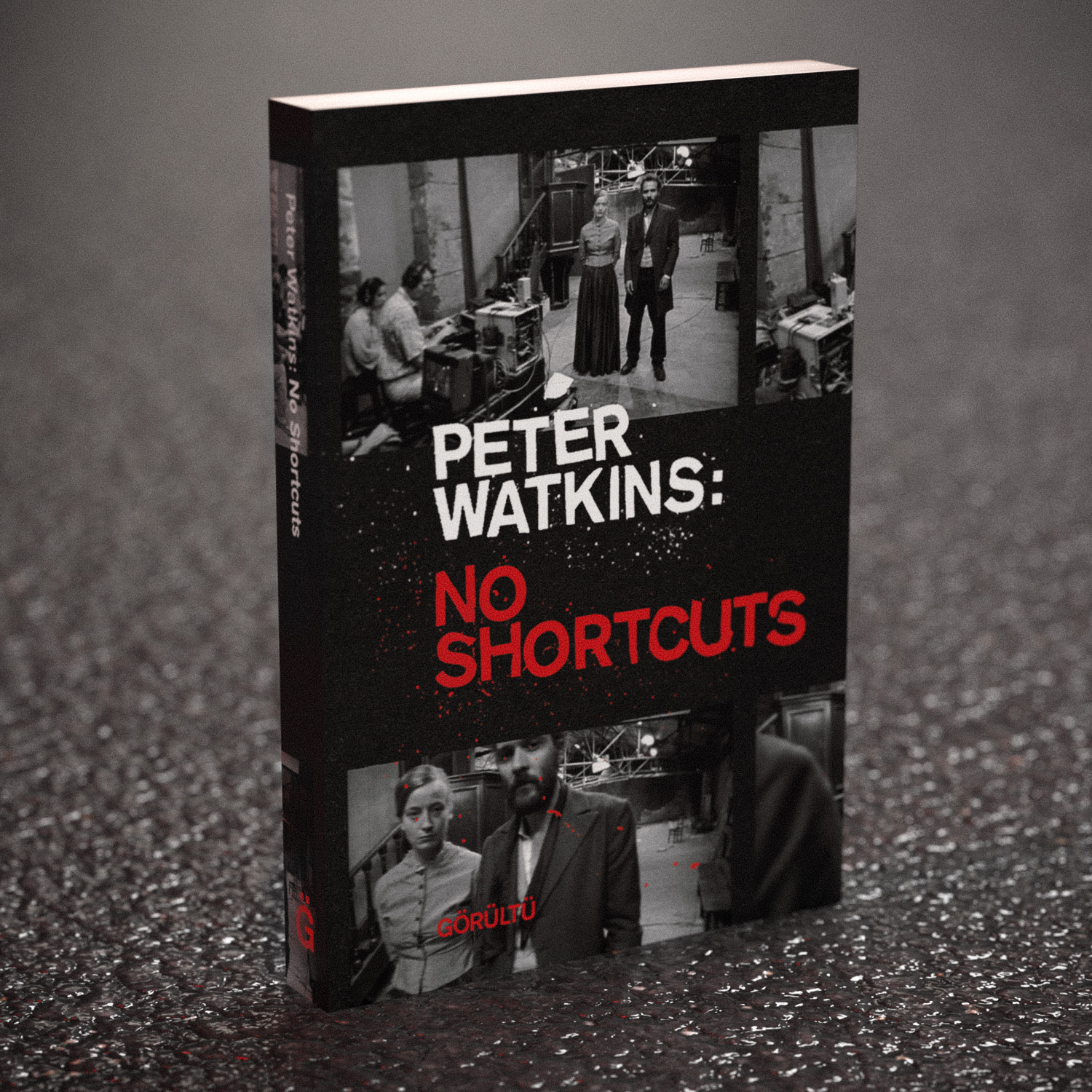
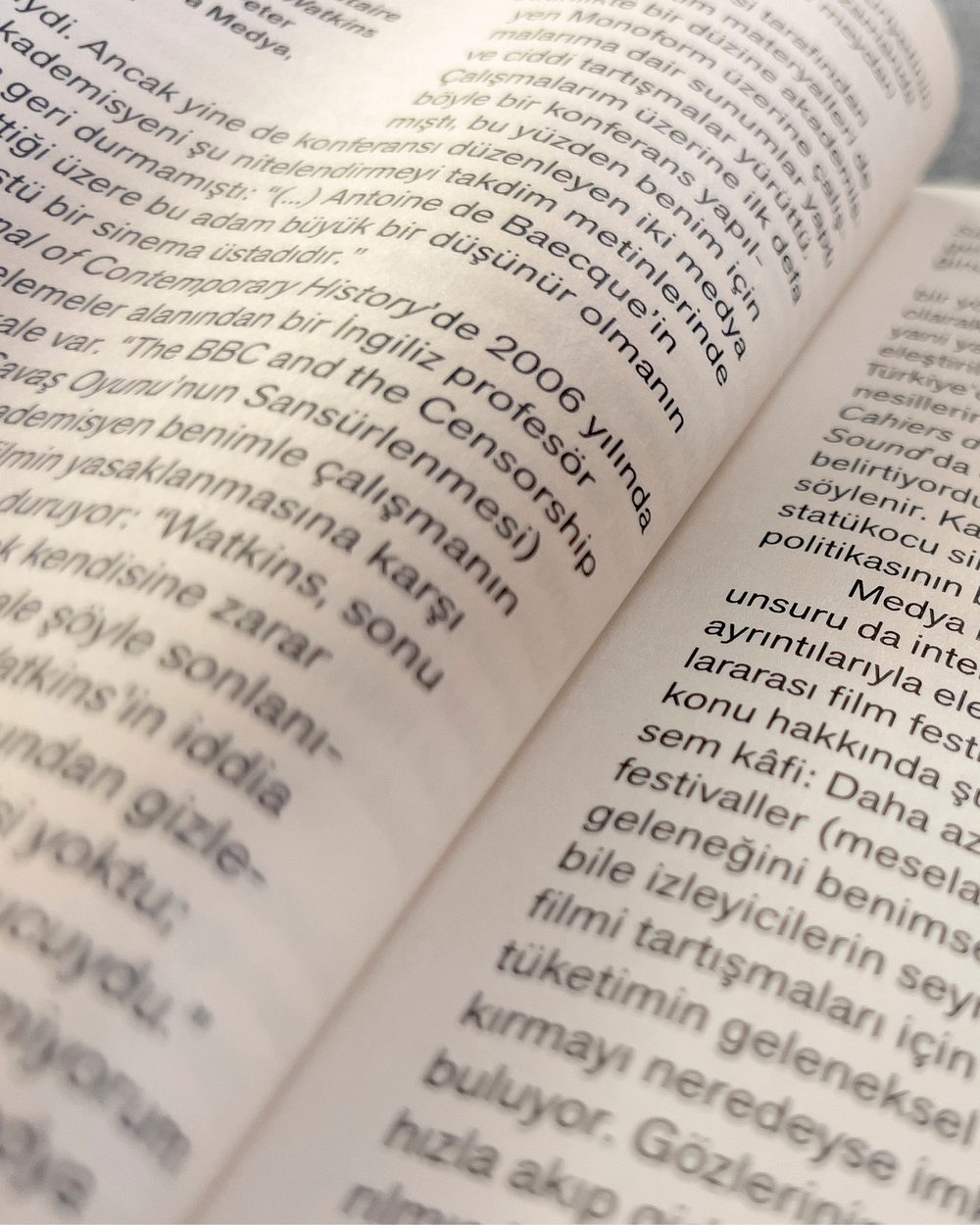
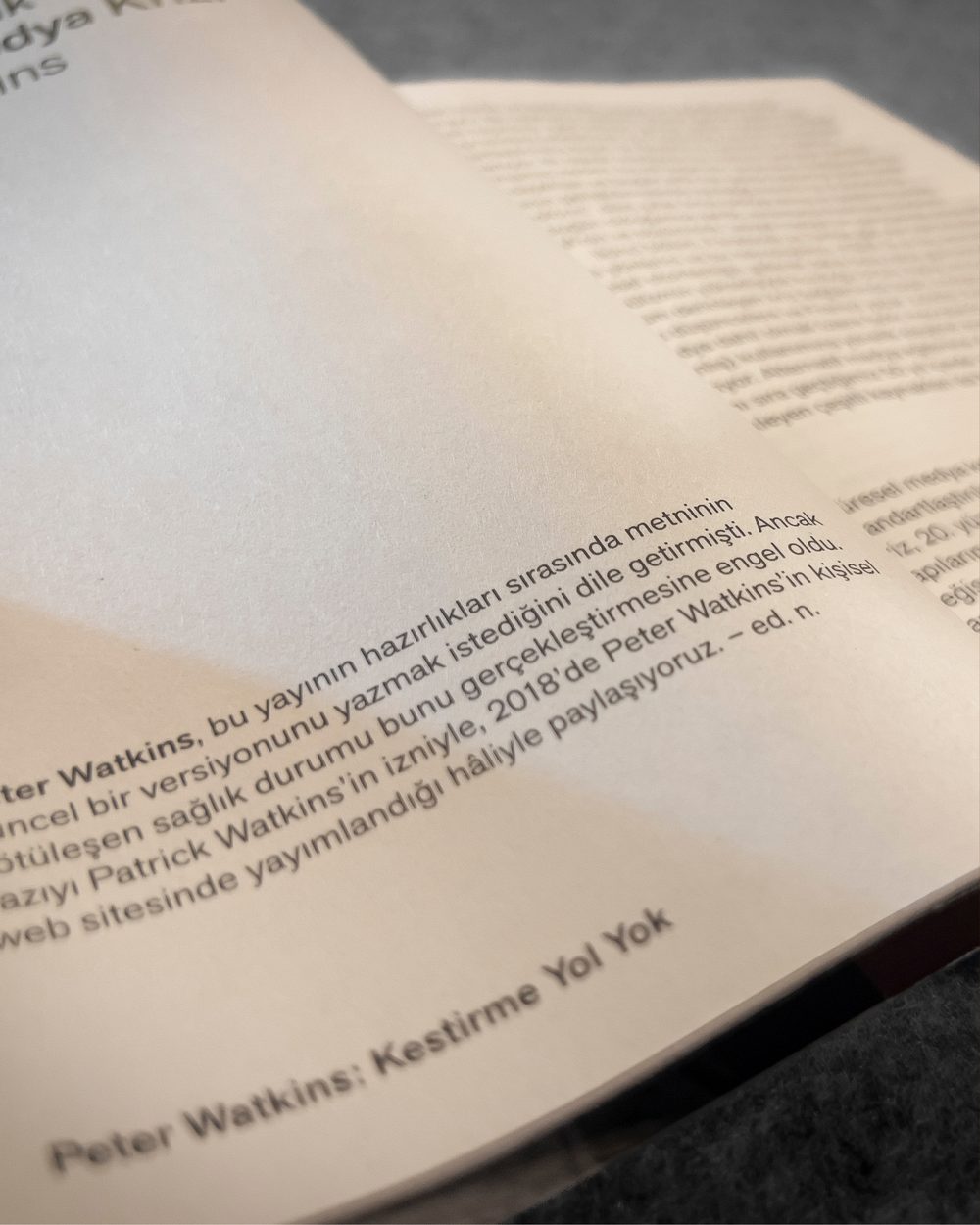
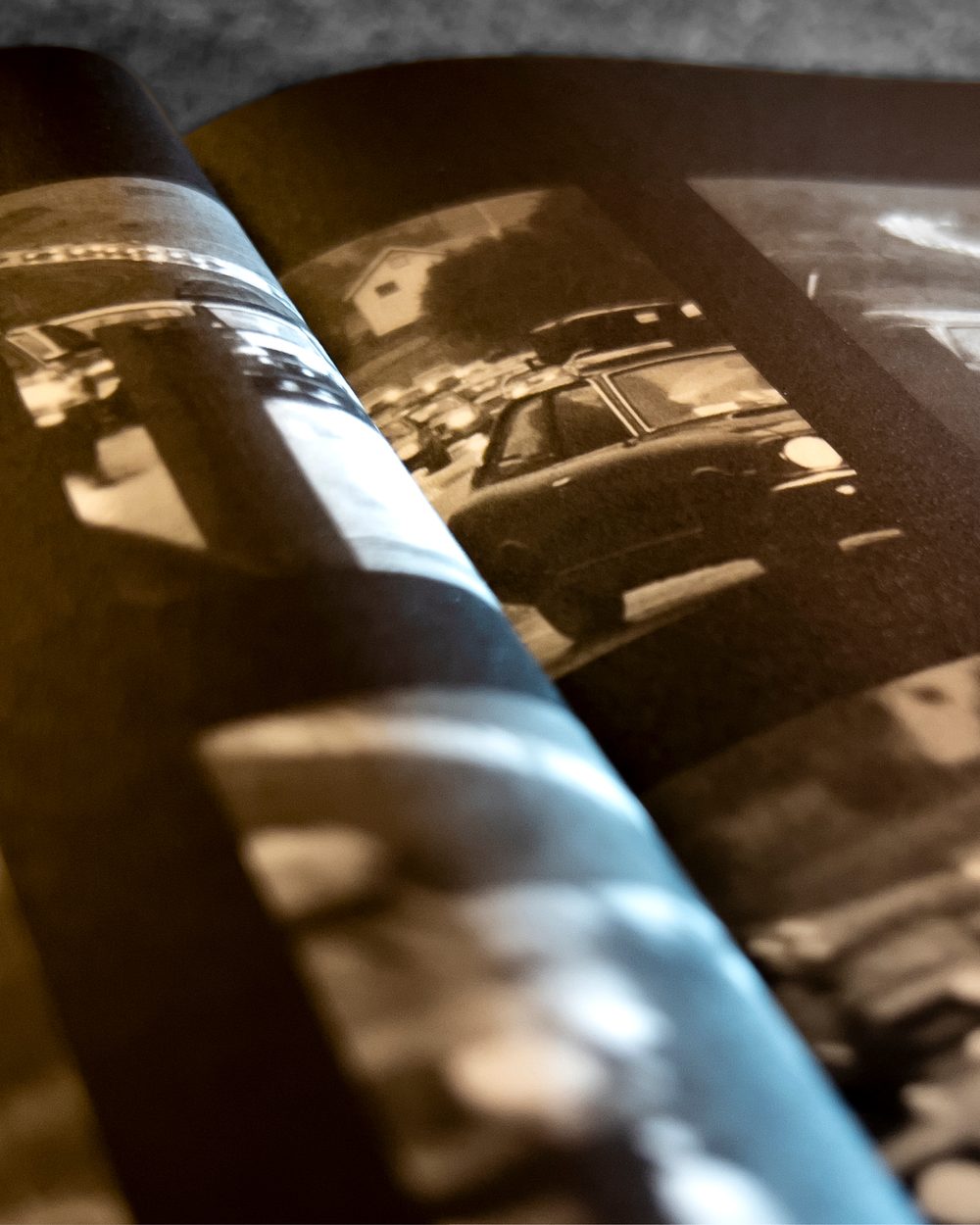
Görültü is pleased to announce the release of a major new publication titled Peter Watkins: No Shortcuts, dedicated to the ever-urgent, challenging and critically overlooked work of the late British filmmaker Peter Watkins (1935–2025), in conjunction with the 2026 retrospective of the same title.
Founded in Istanbul in 2025, Görültü is an independent cultural initiative dedicated to watching and discussing films, and supporting new productions. Peter Watkins: No Shortcuts, their first publication, offers a critical re-evaluation of Watkins’s practice as both a maker, theorist and polemicist of cinema—from his theory of the Monoform to his monumental durational projects like La Commune (Paris, 1871) and The Journey.
Made possible with the generous support and partnership of the Watkins estate, Peter Watkins: No Shortcuts brings together an all-new collection of essays by a wide selection of scholars, filmmakers, critics, and cultural theorists, exploring the many aspects of Watkins’s idiosyncratic practice—from the ethics of nuclear representation to the pedagogical impulse that runs throughout his entire body of work—including new historical research and personal encounters with the director himself.
Published as two editions in English and Turkish, Peter Watkins: No Shortcuts features contributions from Umut Tümay Arslan, Senem Aytaç, Burak Delier, Dónal Foreman, Emma Claire Foley, Leo Goldsmith, Victor Guimarães, Alyssandra Maxine, Merve Şen, Nando Salvà, Thomas Sideris, Julian Stallabrass, Merve Ünsal, and Fırat Yücel. Co-edited by Çağla Özbek and Emrah Serdan, and translated by Murat Güneş, İpek Tabur and Emrah Serdan, the volume includes Watkins’s momentous essay on the Monoform, an introduction by the founding members of Görültü and an afterword written by the late director’s son, Patrick Watkins.
Peter Watkins: No Shortcuts is scheduled for release in mid-May 2026, and will be available at select bookshops and online retailers.
Contents
| Görültü | Introduction |
| Peter Watkins | The Dark Side of the Moon: The Global Media Crisis (read here) |
| Fırat Yücel | A Cinematic Game Against the Monoform |
| Leo Goldsmith | Teaching the Monoform: Peter Watkins’s Pedagogy of the Observer |
| Dónal Foreman | Encounters with Watkins |
| Burak Delier | Watkins’s La Commune: To Do Something With a Film |
| Senem Aytaç | Actions That Generate Dreams |
| Victor Guimarães | The Early Speculative Documentaries of Peter Watkins as Seen from Cuba |
| Alyssandra Maxine | To Wend Against the Tides: Paranoid Historiography and Reparative Pedagogy Within Peter Watkins’s Durational Cinema |
| Merve Şen | Half-Life of Information: Figuring Nuclear Film Criticism in Peter Watkins’s The Journey |
| Emma Claire Foley | Peter Watkins and the Anti-Nuclear Gaze |
| Umut Tümay Arslan | The Journey: From a World in Crisis to the Sense of a Shared World |
| Nando Salvà | The Future Is the Present: The Timeless Prophecies of Peter Watkins |
| Thomas Sideris | Punishment Park: Spatial Punishment, Media Power, and Cinematic Form |
| Merve Ünsal | Documentary as a Space of Intervention: On Peter Watkins’s Punishment Park |
| Julian Stallabrass | The Bomb Beneath Us: Culloden, The War Game, and The Journey |
| Patrick Watkins | Afterword |
Görültü
Murat Güneş
Okay Karadayılar
Nil Kural
Deniz Tortum
Editors
Çağla Özbek
Emrah Serdan
Translators
Murat Güneş (EN)
İpek Tabur (TR)
Emrah Serdan (TR)
Contributors
Umut Tümay Arslan
Senem Aytaç
Burak Delier
Dónal Foreman
Emma Claire Foley
Leo Goldsmith
Victor Guimarães
Alyssandra Maxine
Nando Salvà
Merve Şen
Thomas Sideris
Julian Stallabrass
Merve Ünsal
Fırat Yücel
Patrick Watkins
Peter Watkins